Tamarindo
Tamarindo: tamarind in Dominican cuisine
tamarind · jugo de tamarindo · Tamarindus indica
Definition
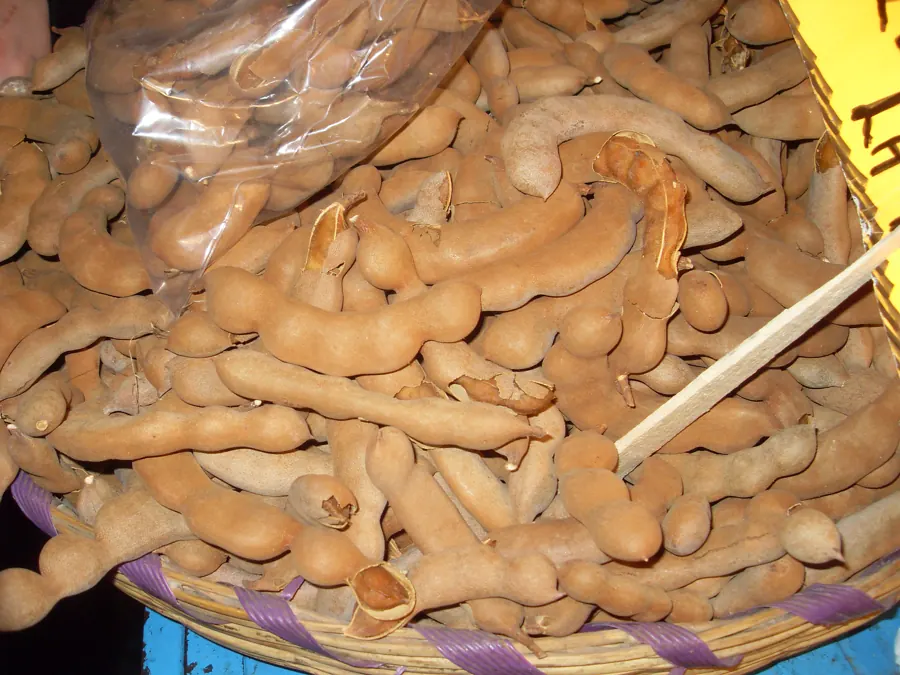
Tamarindo is the fruit of Tamarindus indica, whose sweet-sour pulp is commonly used in Dominican beverages and sweets.
Cultural importance
Originally from tropical Africa, the tree grows in warm regions around the world. Its brown pods contain sticky pulp, fibers and hard seeds. Sweetness and acidity vary by variety and ripeness.
Tamarind juice
Soak the pulp in water, loosen it and strain out fibers and seeds. Dilute and sweeten to taste, then serve cold. Packaged drinks vary in fruit and sugar content. It is different from mabí.
Flavor and uses
The acidity works well in sweets and fruit candies. Other cuisines also use tamarind in savory sauces. Pulp can be used fresh or concentrated, with varying strength.
Buying and storing
Markets may sell whole pods and supermarkets processed products. Avoid mold or damaged packaging. Refrigerate fresh beverages and use promptly. Tamarind is distinct from passion fruit and sapodilla.
Frequently asked questions
What is tamarindo?
The sweet-sour pulp-bearing fruit of the tamarind tree.
How is it used?
Especially in juice and sweets.
Is the shell eaten?
No; remove shell, fibers and seeds for juice.
Related Dominican foods
Zapote
Zapote commonly refers to mamey sapote (Pouteria sapota) in the Dominican Republic, a tropical fruit with rough brown skin, orange-red flesh and a large dark seed.
Jugo de chinola
Jugo de chinola is a Dominican passion fruit drink made from fruit pulp, water and, according to taste, sugar and ice.
Naranja agria
Naranja agria is bitter or sour orange (Citrus × aurantium), whose tart juice is commonly used for seasoning and marinades in the Dominican Republic.
Níspero
Níspero in the Dominican Republic usually refers to sapodilla (Manilkara zapota), a tropical fruit with brown skin, sweet flesh and dark seeds.