Naranja agria
Naranja agria: bitter orange in Dominican cooking
naranja amarga · bitter orange · Citrus aurantium · Citrus × aurantium
Definition
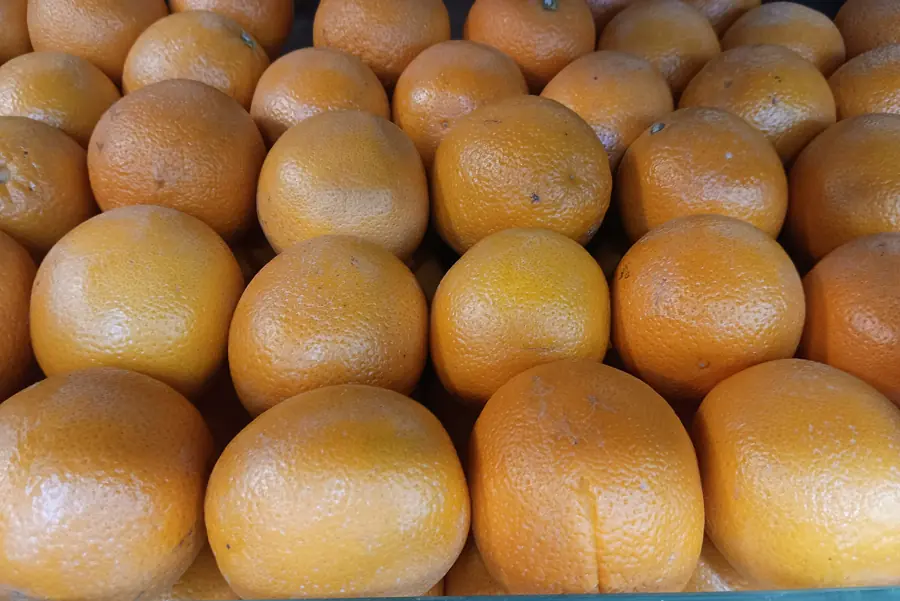
Naranja agria is bitter or sour orange (Citrus × aurantium), whose tart juice is commonly used for seasoning and marinades in the Dominican Republic.
Cultural importance
It resembles a sweet orange but has more pronounced acidity and bitter notes. Its juice is especially useful in savory cooking. Naranja agria literally means sour orange and differs from the sweet orange usually eaten fresh.
Culinary uses
The juice pairs with garlic, oregano and salt. It is traditionally used to season meat, fish and sauces, and also suits plant-based marinades. Recipes vary between households.
Bitter orange, sweet orange and lime
Sweet oranges generally taste sweeter; lime has comparable acidity but a different aroma. If bitter orange is unavailable, a blend of orange and lime juice can approximate its flavor, although it is not identical.
Buying and handling
Ask for naranja agria at produce markets. Bottled seasoning juices are also sold, with varying ingredients. Acidity alone does not make raw meat or fish safe; refrigerate marinades and cook foods adequately.
Frequently asked questions
What is naranja agria?
Bitter or sour orange.
Is it the same as sweet orange?
No; it is more tart and bitter.
What is it used for?
Seasoning, marinades and sauces.
Related Dominican foods
Wasakaka
Wasakaka is a Dominican garlic-based sauce particularly associated with roasted or charcoal-grilled chicken.
Tamarindo
Tamarindo is the fruit of Tamarindus indica, whose sweet-sour pulp is commonly used in Dominican beverages and sweets.
Orégano dominicano
Dominican oregano or orégano criollo often refers to Lippia micromera, an aromatic plant of the verbena family used in Dominican cooking.
Ají gustoso
Ají gustoso is a small aromatic pepper valued in Dominican seasoning, usually for its flavor rather than intense heat.