The Dominican Republic is home to much more than cities and resorts. Discover national parks, islands, waterfalls, caves, mountains, lakes and cultural landmarks that shape the country's natural and historical identity.
20 terms
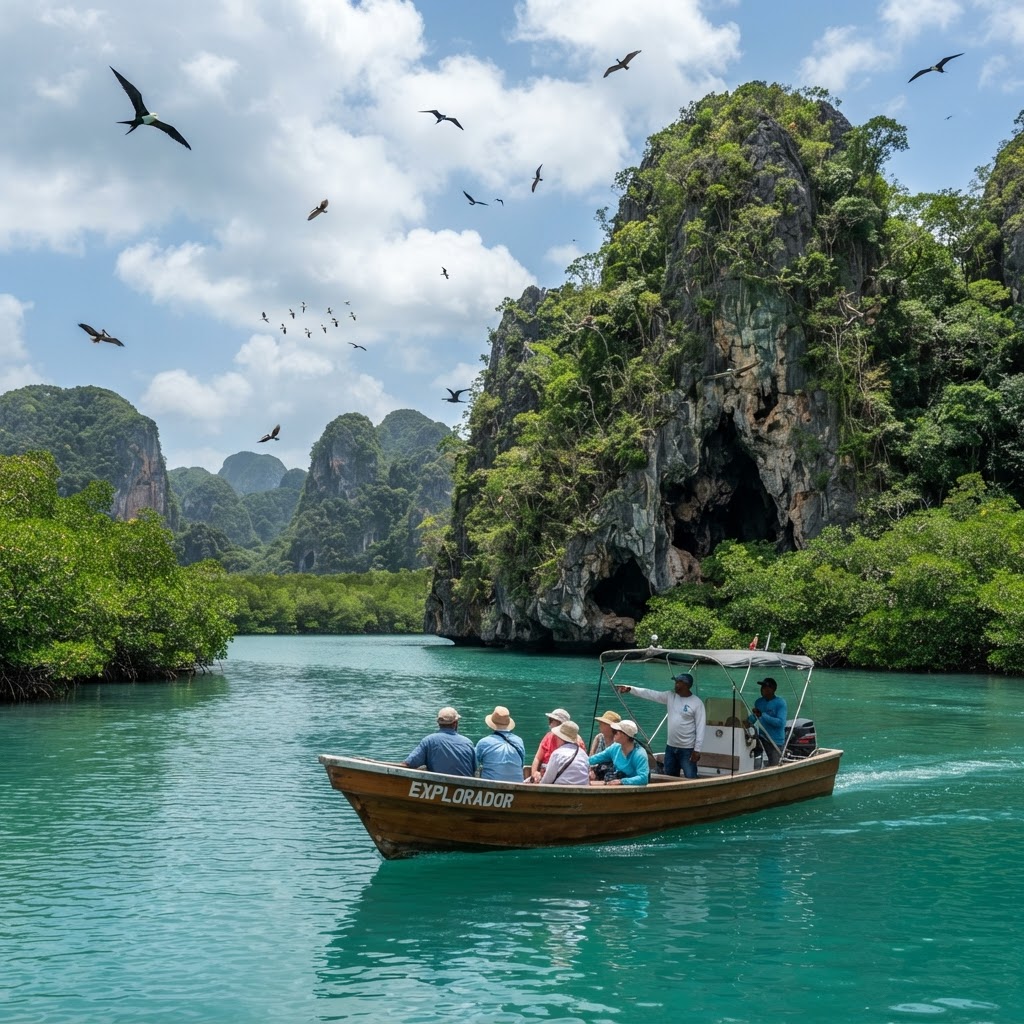
Parque Nacional Los Haitises is a protected area in the northeast of the Dominican Republic, celebrated for its limestone mogotes, mangroves, caves containing Taíno rock art, and a remarkable diversity of birds.
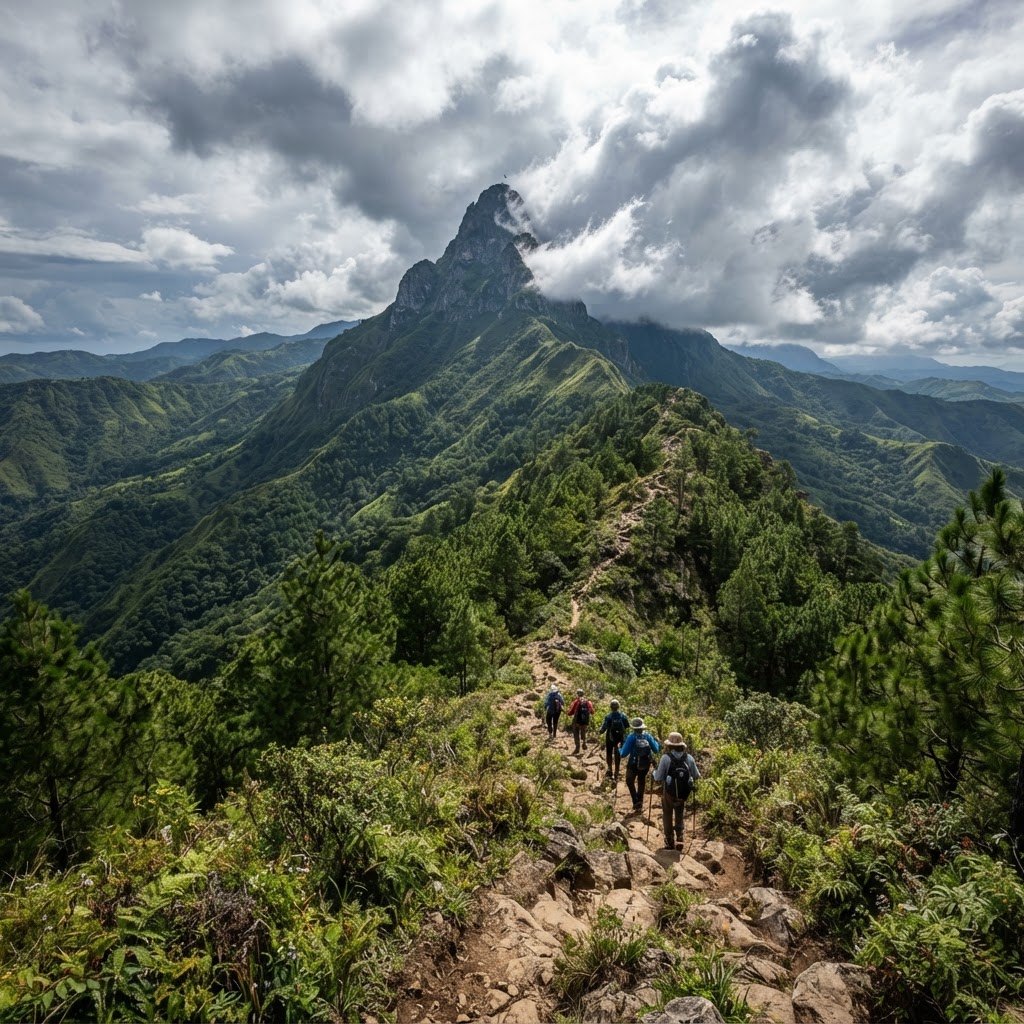
Pico Duarte is the highest mountain in the Dominican Republic and throughout the entire Caribbean, rising from the heart of the Cordillera Central.
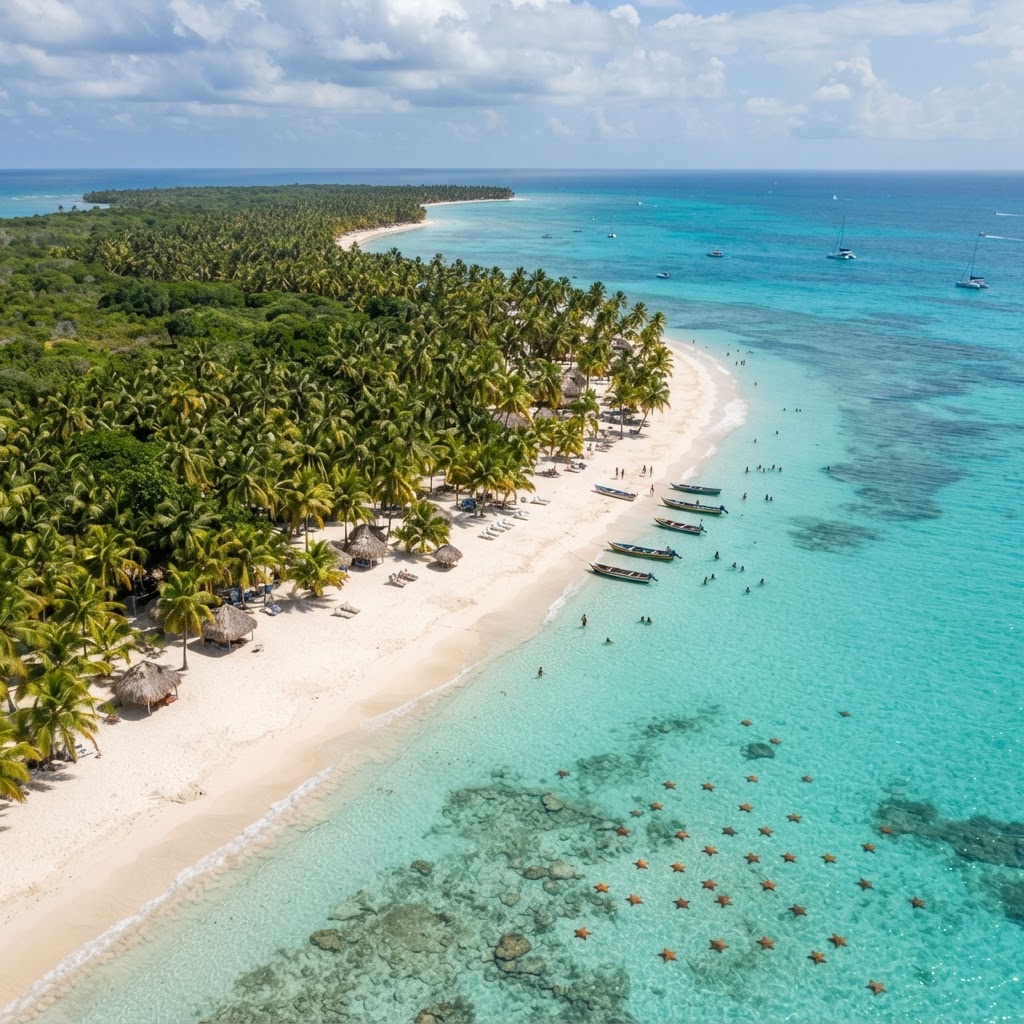
Isla Saona is a protected island in the southeast of the Dominican Republic, part of Cotubanamá National Park, renowned for its beaches, mangroves, and marine ecosystems.
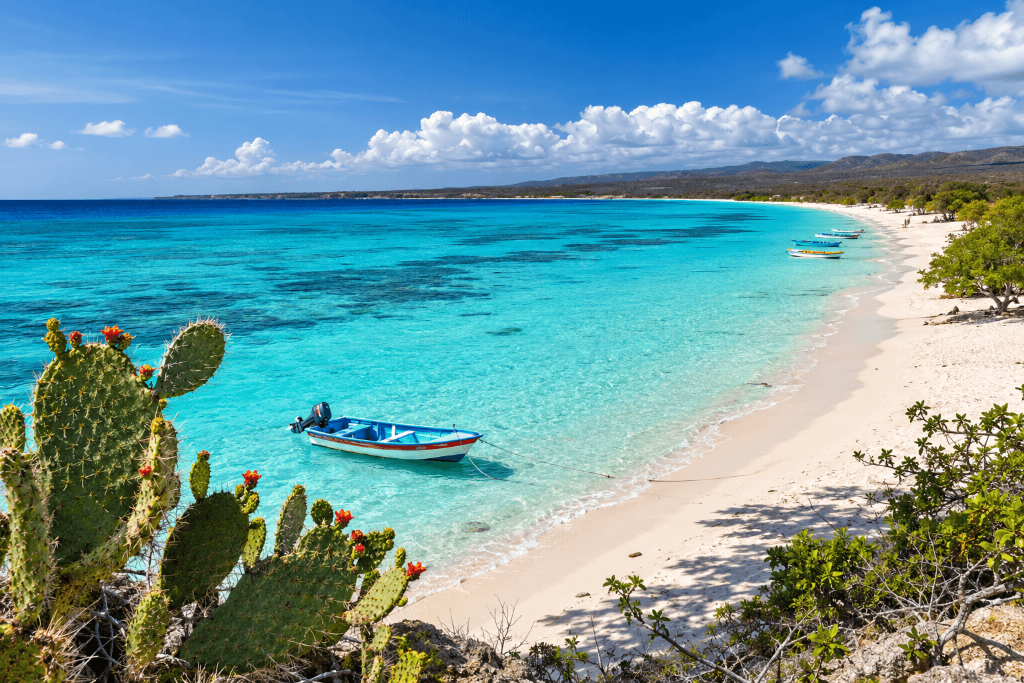
Bahía de las Águilas is a largely natural and protected bay in the Pedernales province in the far southwest of the Dominican Republic. It is known for its long, light-colored sandy beach, clear Caribbean sea, and arid coastal landscape. The bay is part of the protected natural area surrounding Cabo Rojo and the Parque Nacional Jaragua.
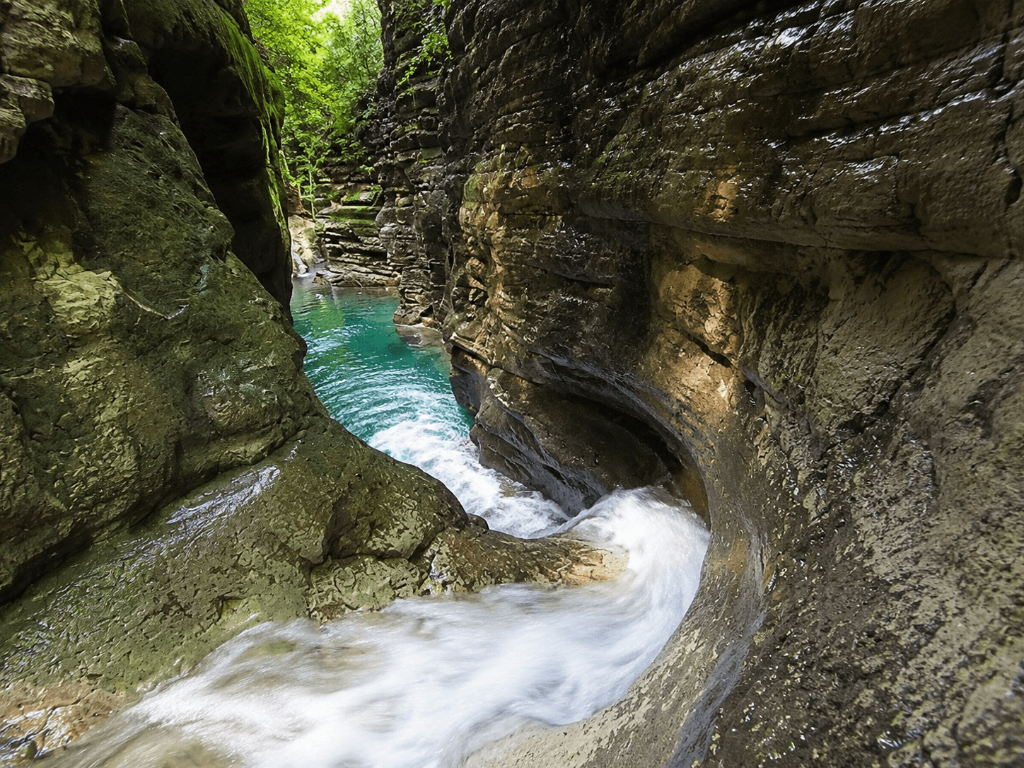
The 27 Charcos de Damajagua are a series of natural river pools, cascades and rock slides formed by the Damajagua River in Puerto Plata Province. Visitors explore the protected river canyon with local guides and complete a route that may include part or all of the natural pools, depending on current conditions and the selected option.
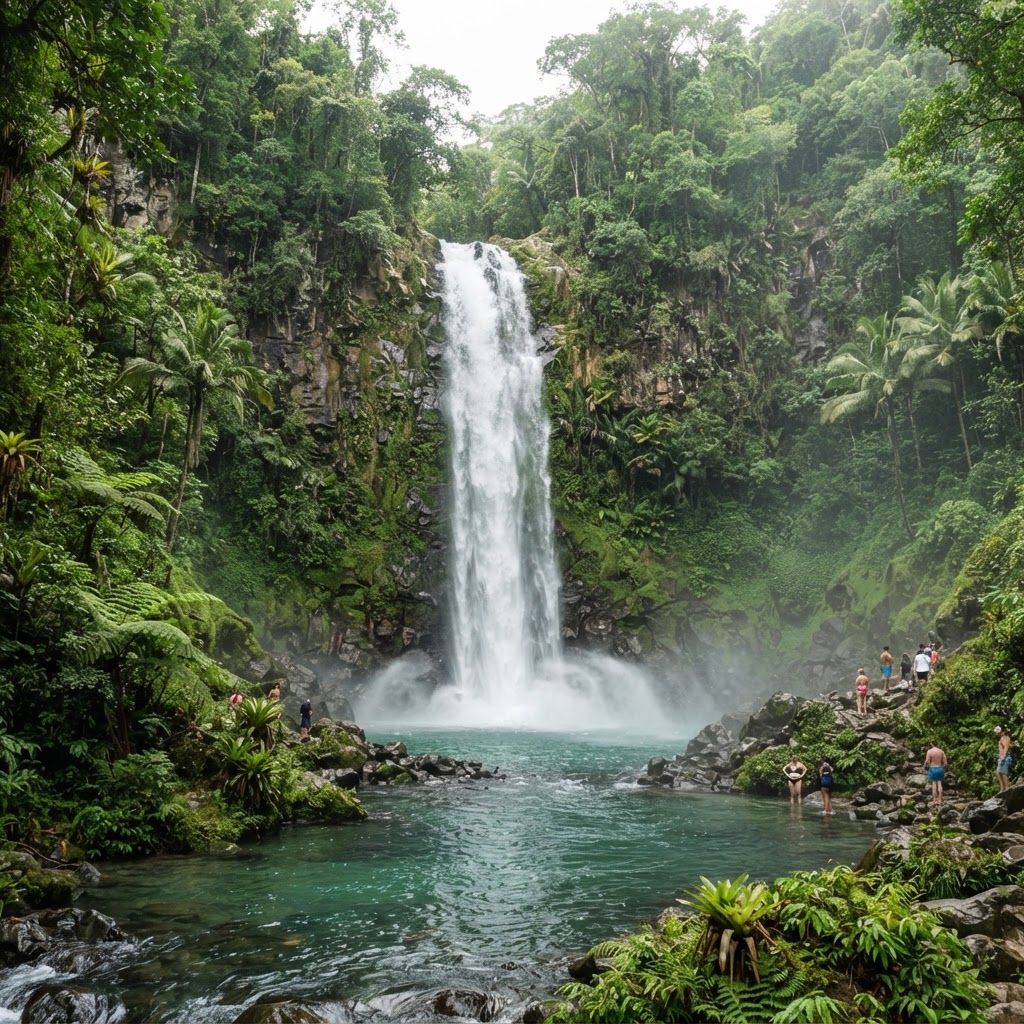
Salto El Limón is a waterfall on the Samaná Peninsula in the northeast of the country, reached on foot or on horseback through lush tropical vegetation.
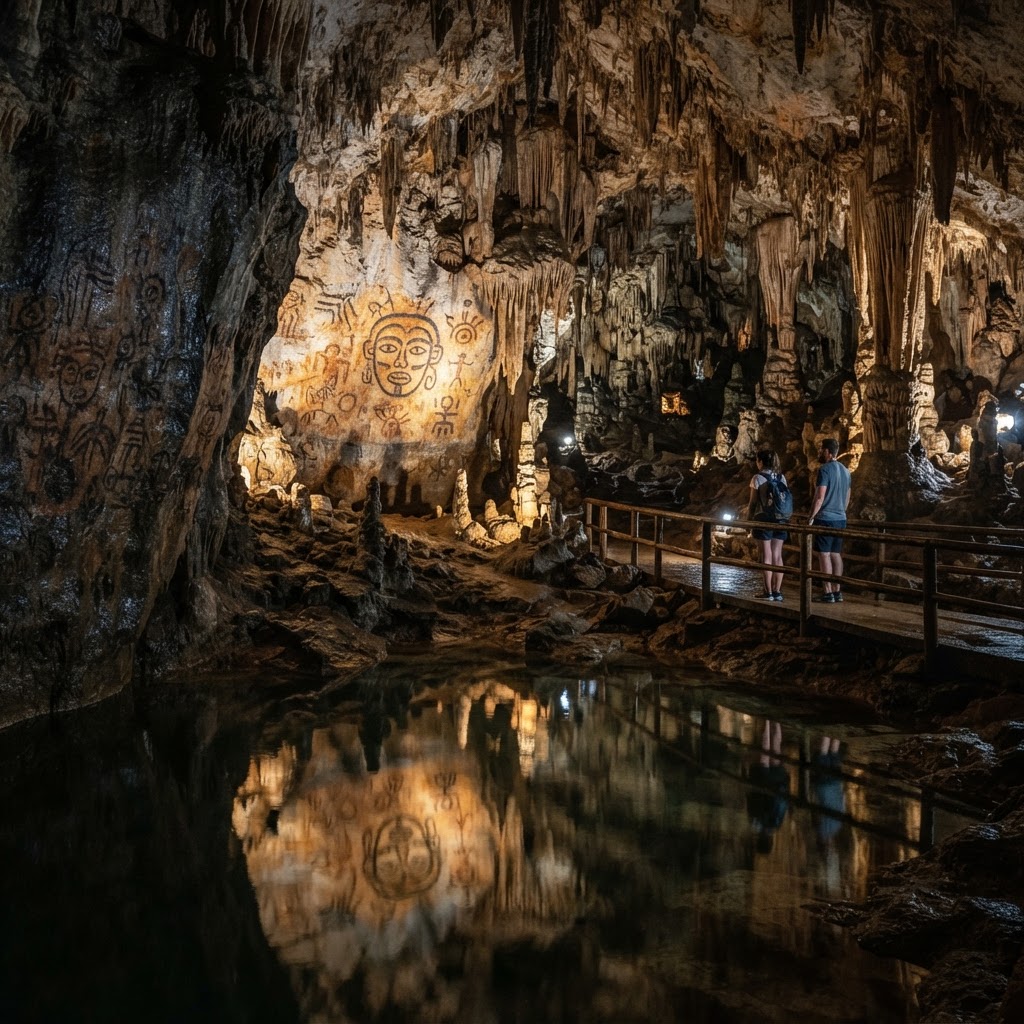
Cueva de las Maravillas is a cave system in the south-east of the Dominican Republic featuring stalactites, stalagmites and Taíno pictographs, fully equipped for guided visits.
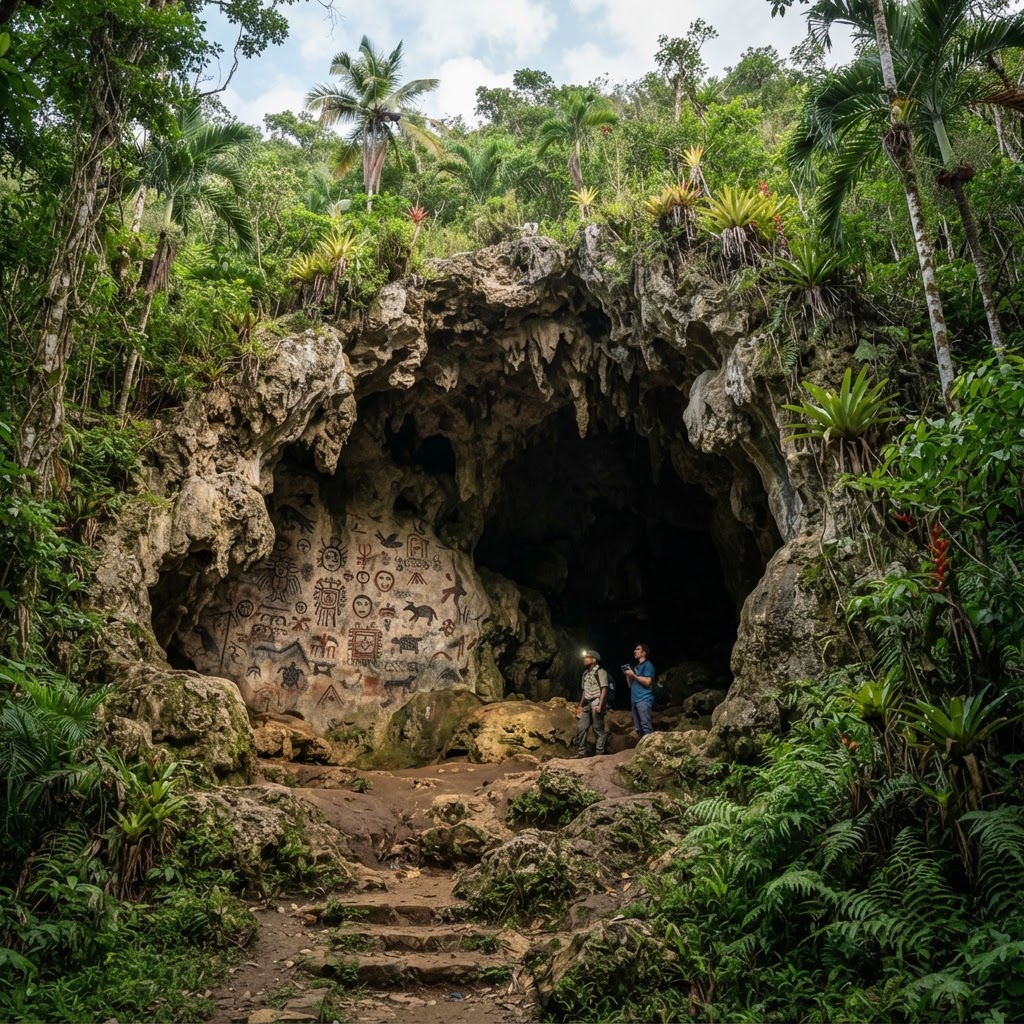
Cuevas del Pomier is a cave complex with pre-Columbian rock art, protected as an anthropological reserve in the south of the country.
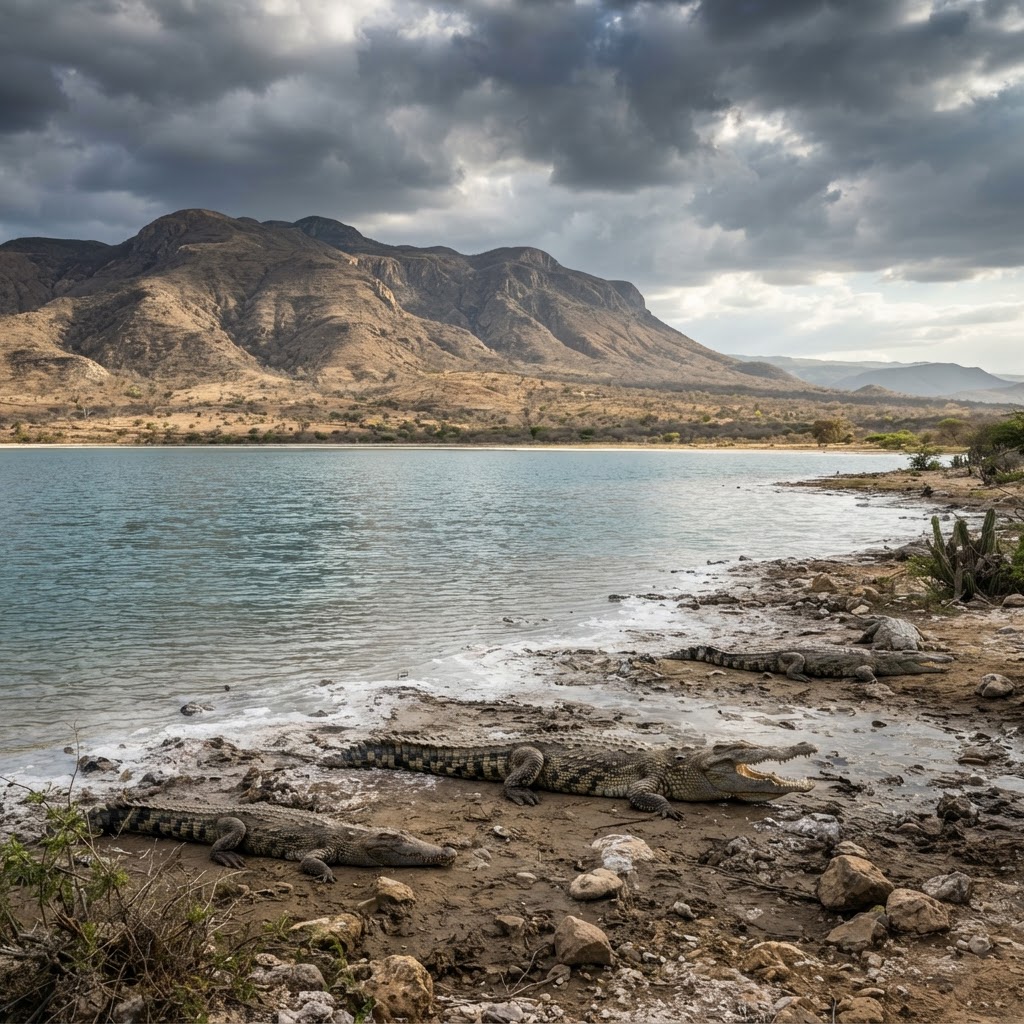
Lago Enriquillo is a saltwater lake in the southwest of the Dominican Republic, the largest in the insular Caribbean, surrounded by an arid landscape and home to crocodiles, iguanas, and birds.
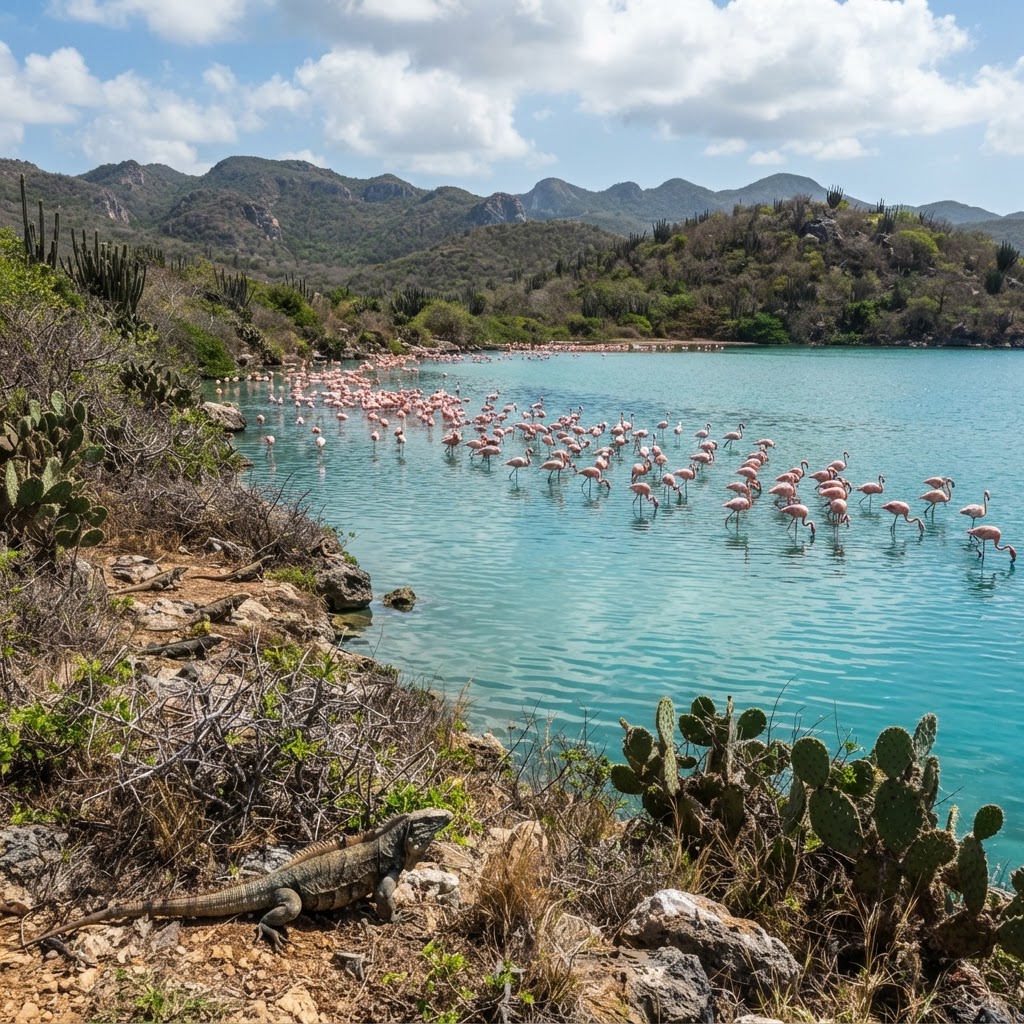
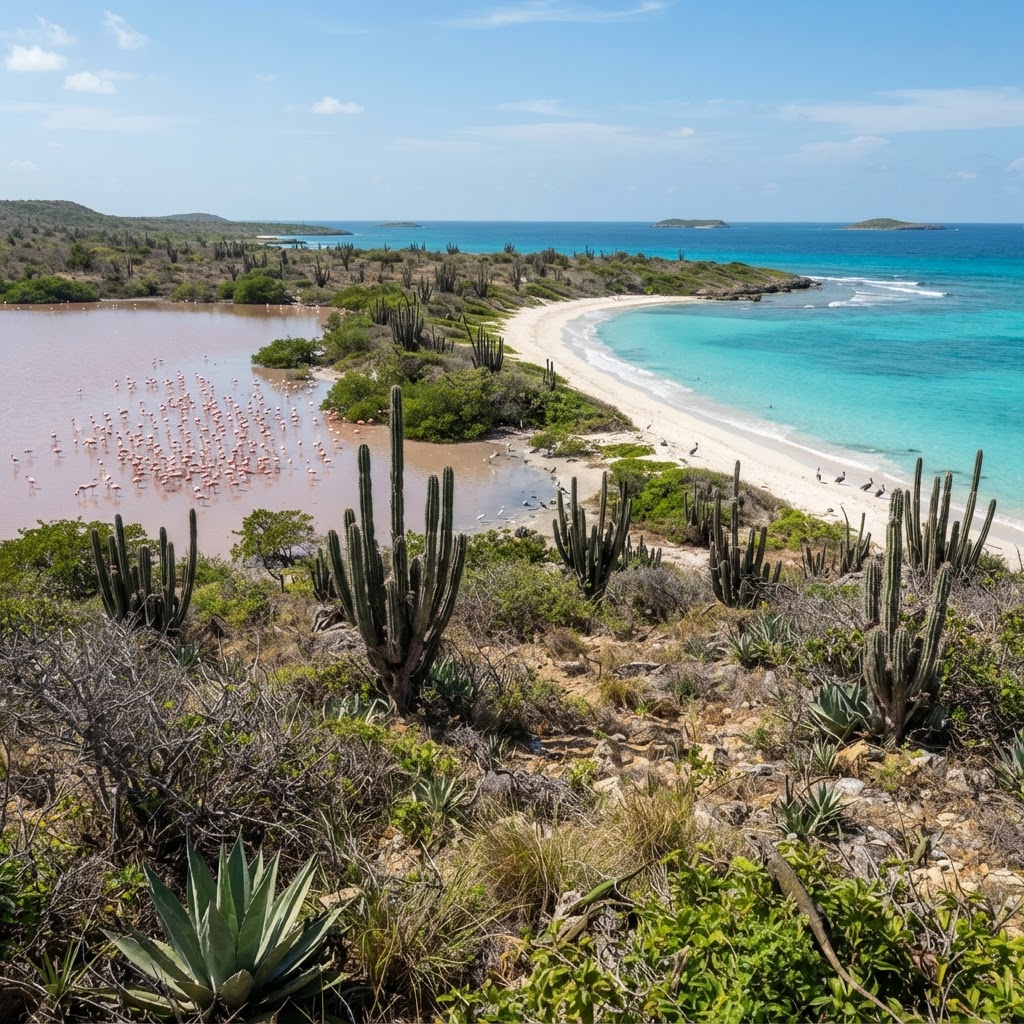
Laguna de Oviedo is a brackish coastal lagoon in the south-west of the Dominican Republic, within Parque Nacional Jaragua, featuring mangroves, small islands and birds such as flamingos.
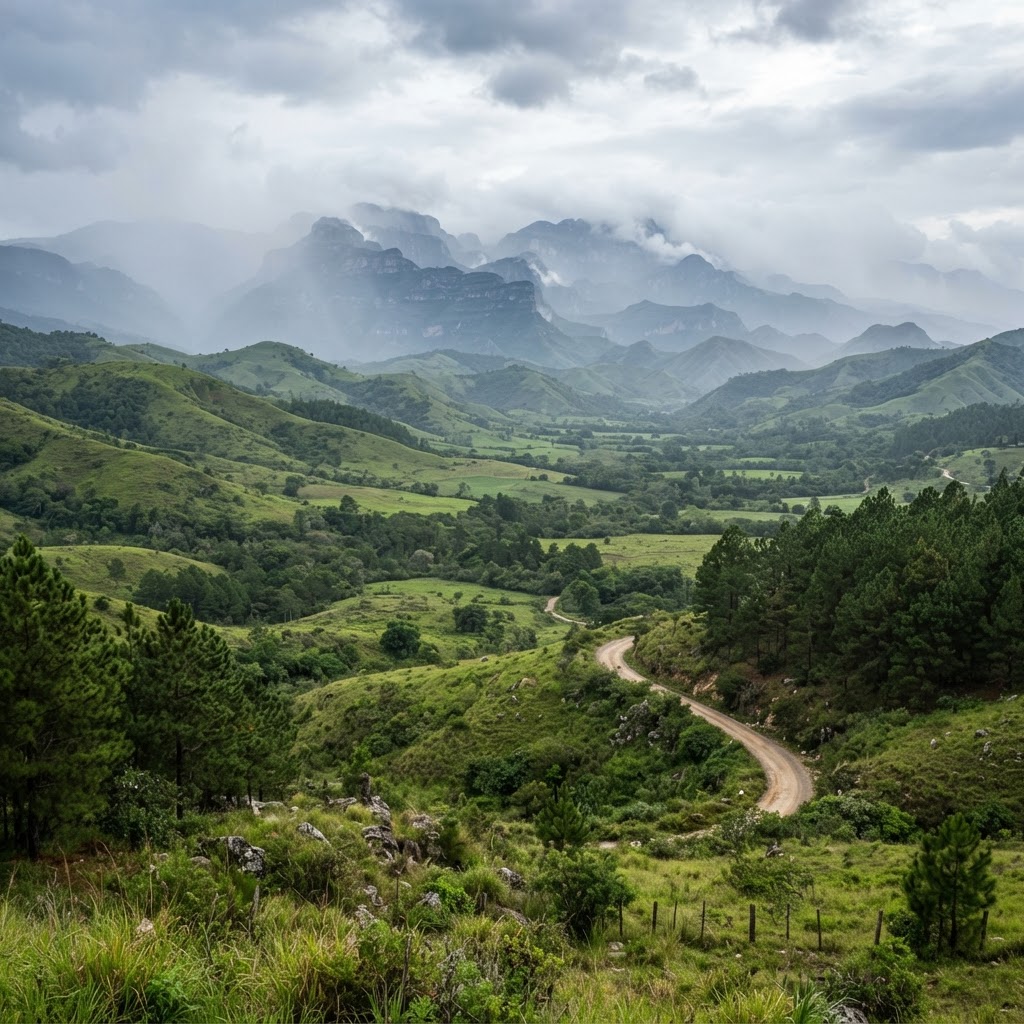
Parque Nacional Valle Nuevo is a high-altitude protected area in the centre of the country, featuring pine forests, cold highland plains and river headwaters, near Constanza.
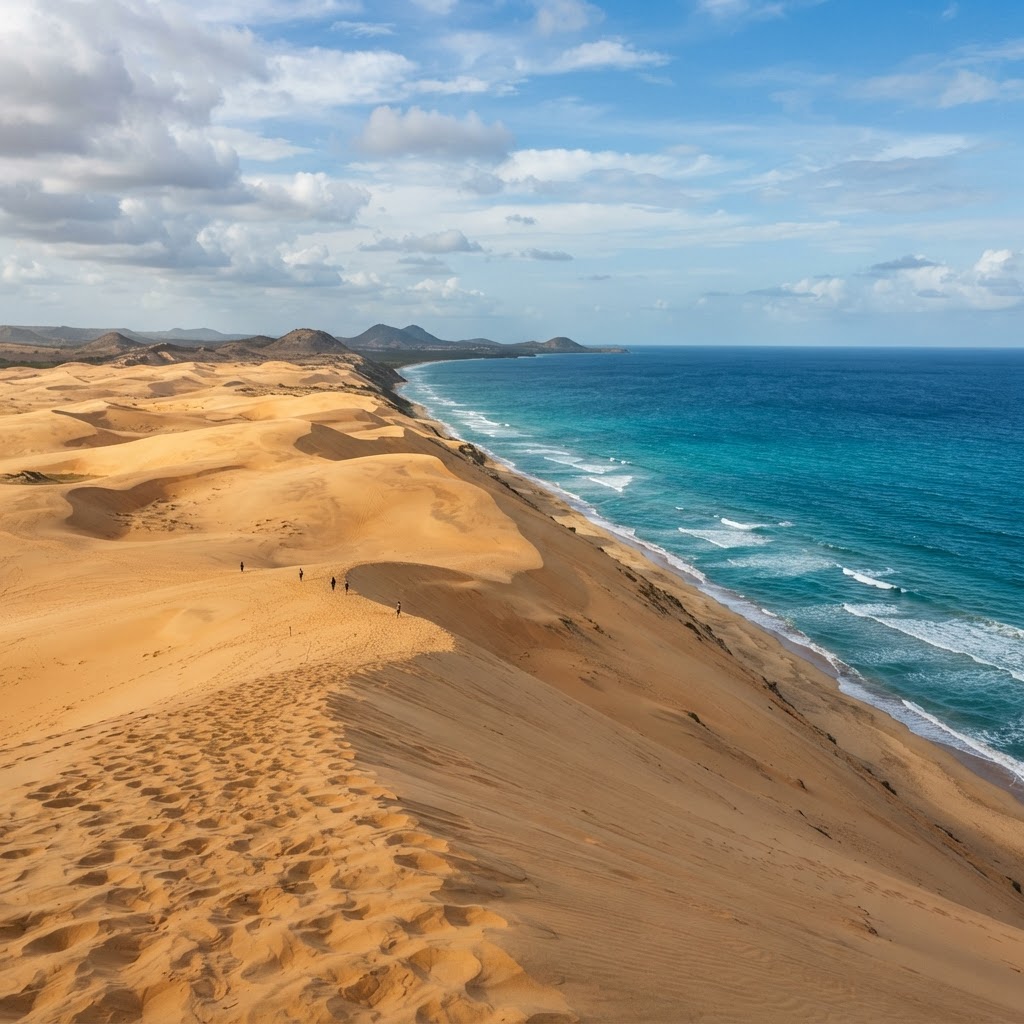
Dunas de Baní, also known as Dunas de Las Calderas, are a coastal dune field in the arid, protected south of the country.
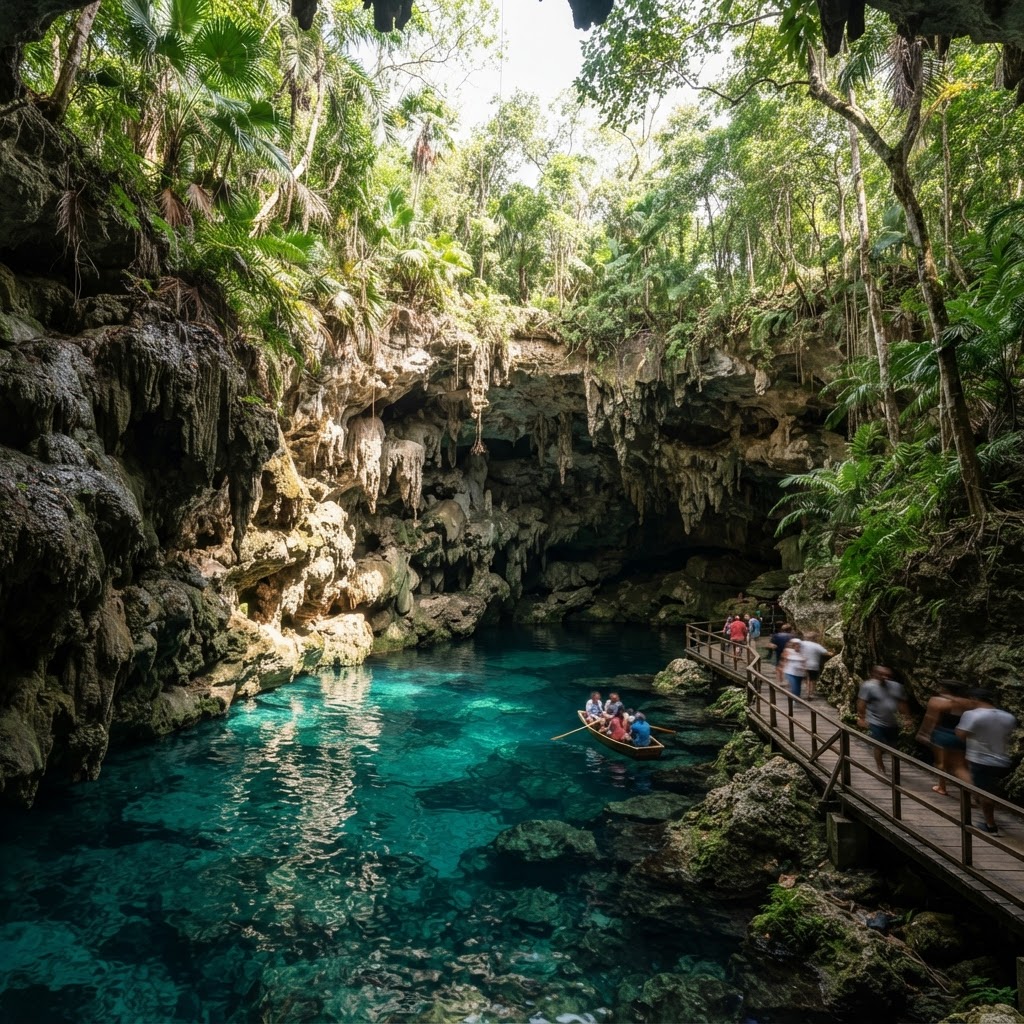
Los Tres Ojos is a cave and underground lake park in Santo Domingo Este, featuring freshwater pools and an open-air section.
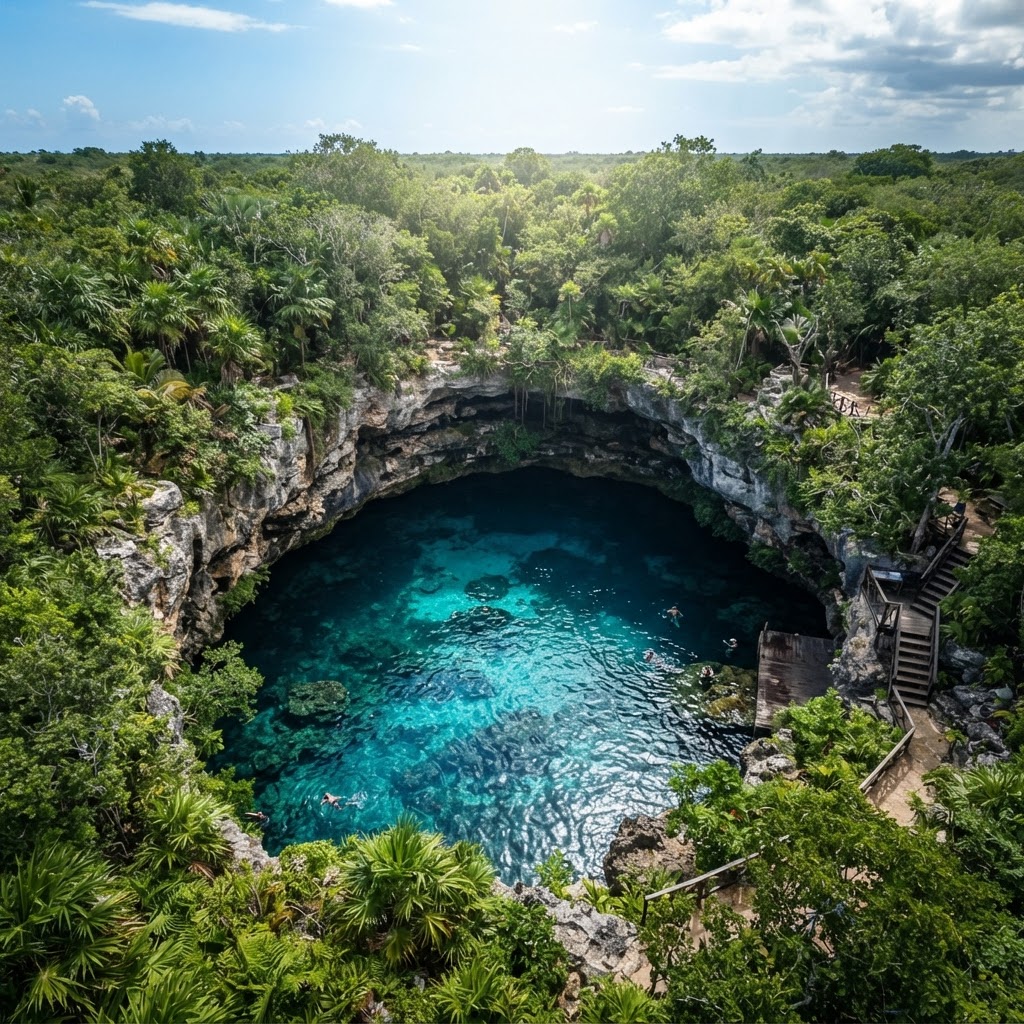
Hoyo Azul is a cenote or natural blue-water pool in the Punta Cana region, accessible via trails within a tourist complex.
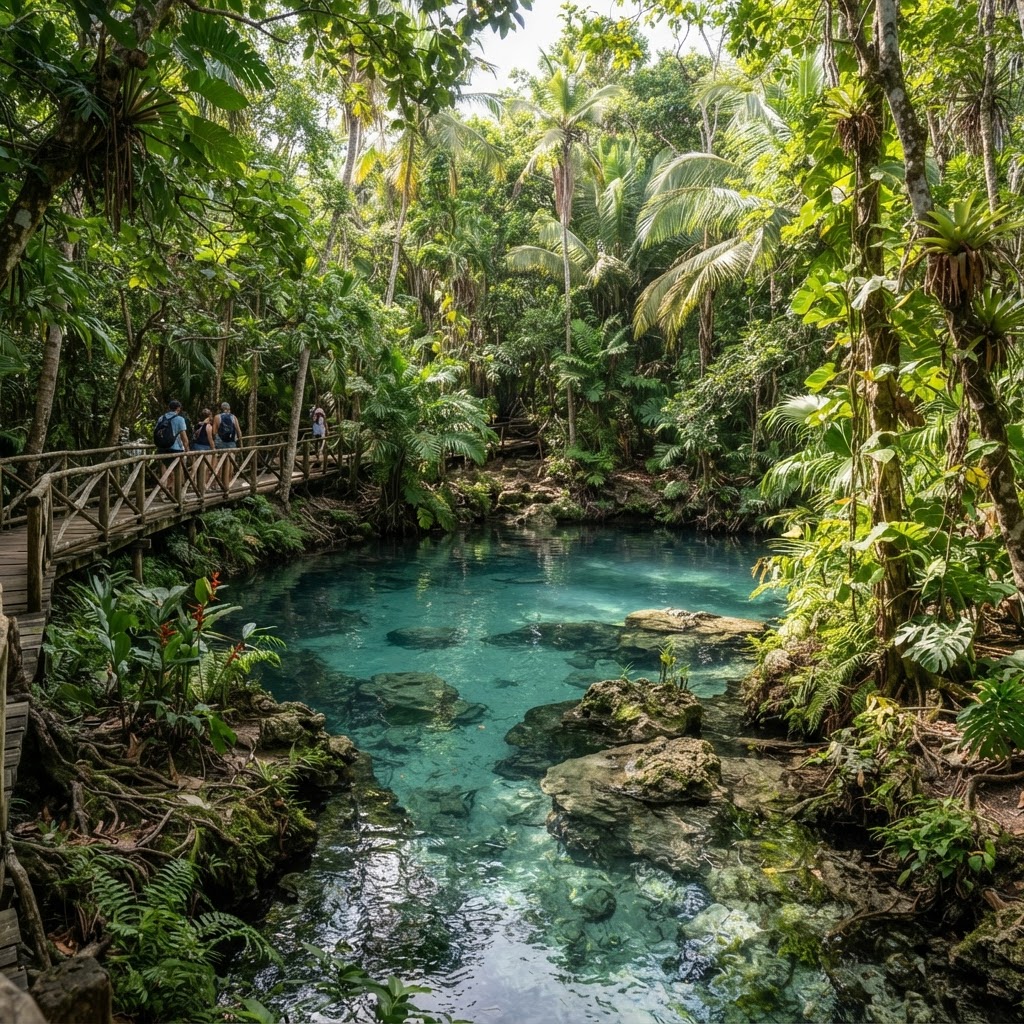
Reserva Ecológica Ojos Indígenas is a protected area in Punta Cana featuring trails, freshwater lagoons, and conservation work — distinct from Los Tres Ojos.
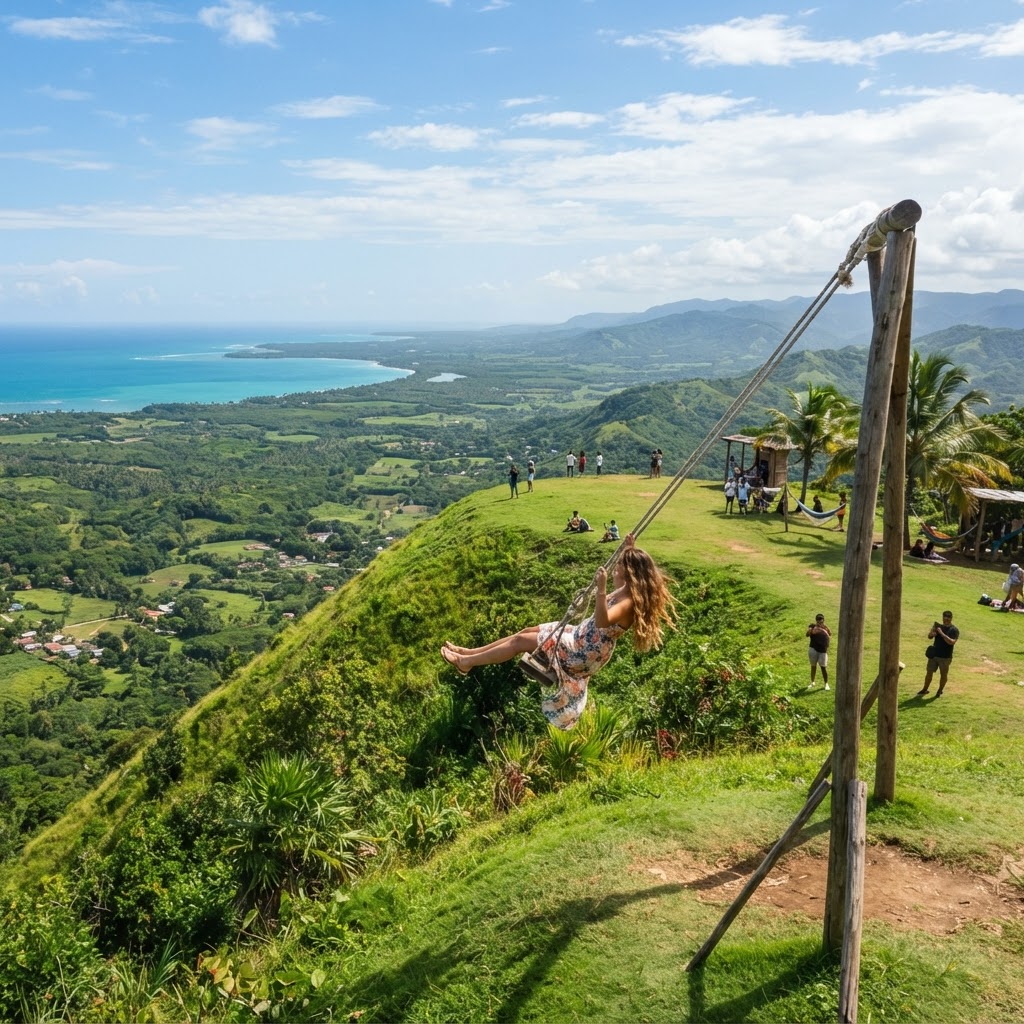
Montaña Redonda is a hill near Miches with panoramic views of the coast and lagoon, famous for its swings as a photographic experience.
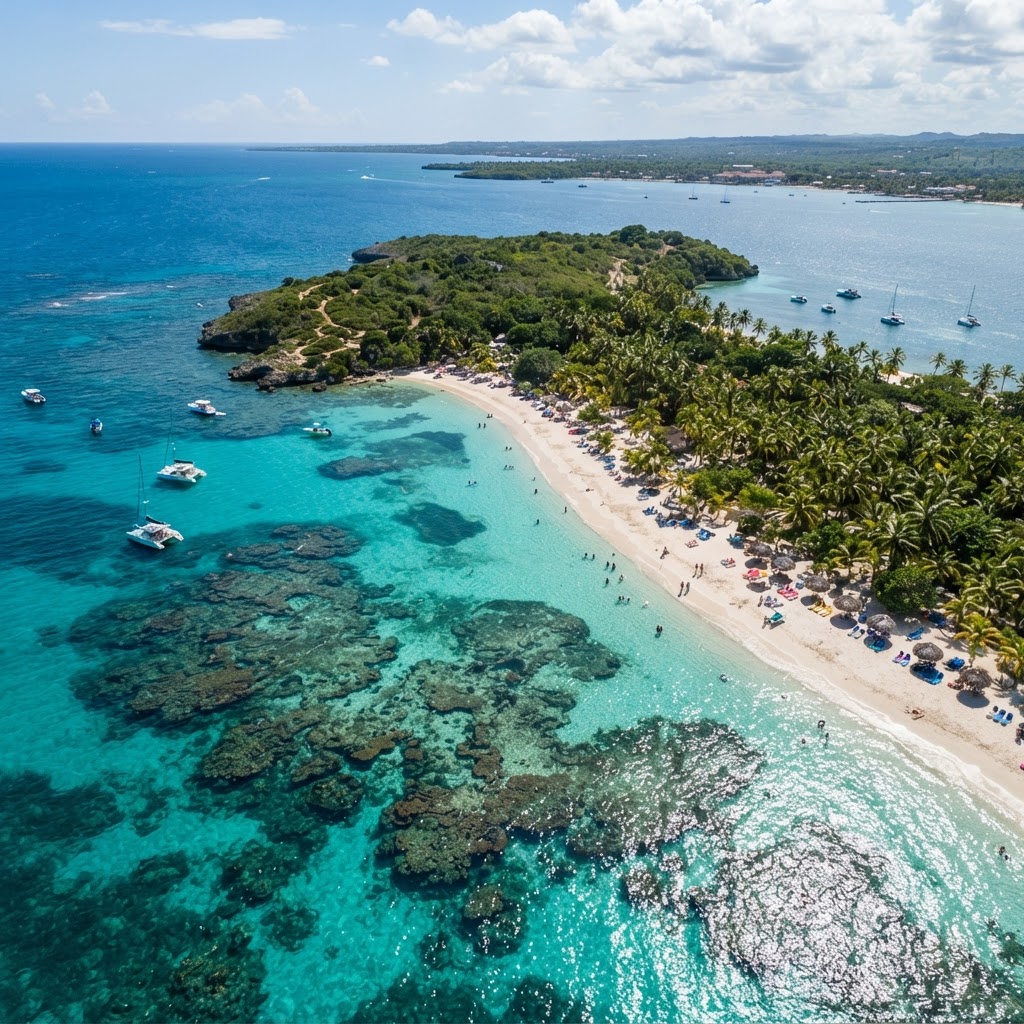
Isla Catalina is a small island off La Romana, with beaches, coral reefs and a well-known wreck, a popular snorkelling and diving destination.
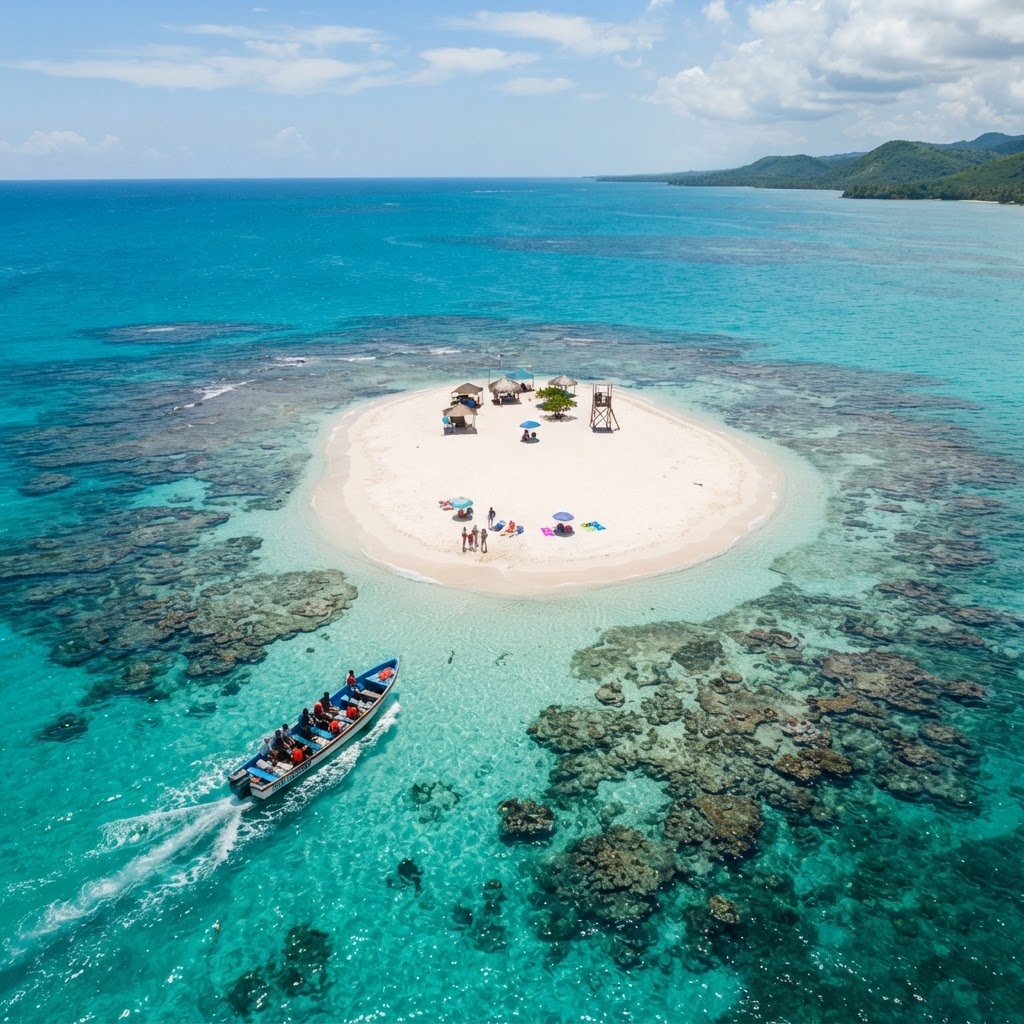
Cayo Arena, also known as Cayo Paraíso, is a small sandy cay in the northwest of the Dominican Republic, with shallow waters and marine life, a popular snorkelling destination.
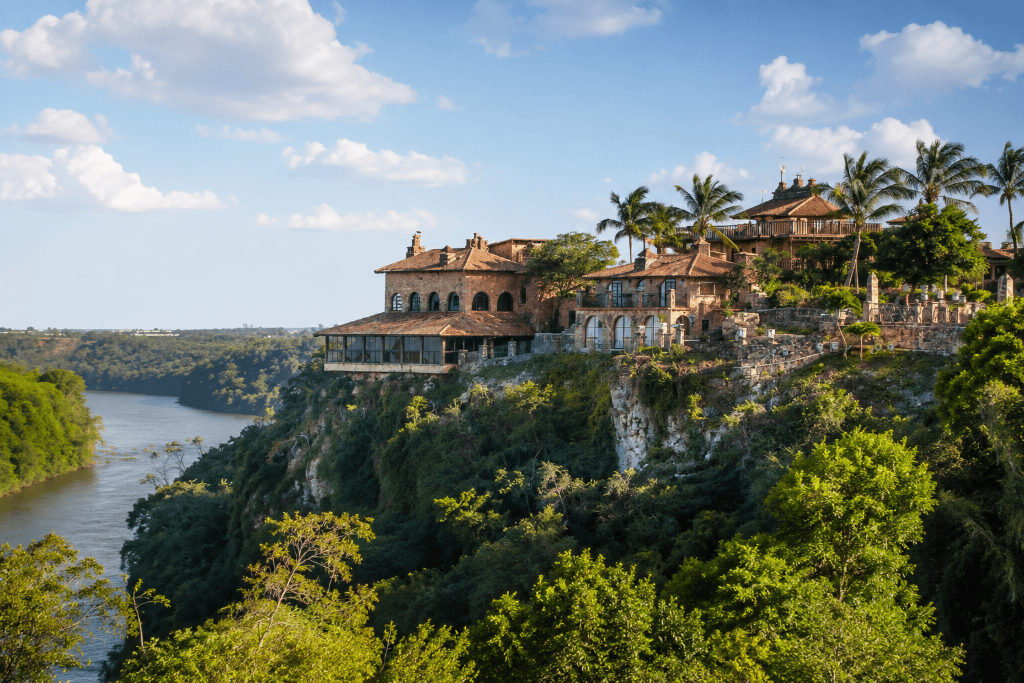
Altos de Chavón is a cultural and architectural complex built in the 20th century within Casa de Campo near La Romana. The ensemble evokes a 16th-century Mediterranean village and houses, among other things, an amphitheater, an archaeological museum, a church, galleries, craft workshops and facilities for art and design.
Parque Nacional Jaragua is the largest protected area in the southwestern Dominican Republic, featuring beaches, lagoons, islands and arid landscapes of exceptional biodiversity.