Dominican gold: its historical significance
Oro dominicano
oro de la República Dominicana · minería de oro · oro taíno · Pueblo Viejo
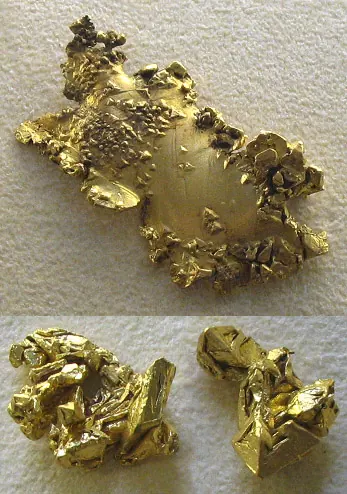
Definition
Gold, or oro in Spanish, had cultural uses on Hispaniola before European colonization, later shaped the Spanish colonial economy and is still mined in the Dominican Republic.
Explanation
Indigenous communities used gold for jewelry and objects of symbolic or social significance. The pursuit of gold became an economic motive for European colonizers. Its history therefore involves not only wealth but also coercion, labor and profound social change.
Taíno gold and colonization
Gold and gold-bearing materials were worked before colonization. After the Spanish arrival in 1492, exploitation of deposits grew in importance. Forced labor and colonial violence devastated Indigenous communities. During the sixteenth century, the colonial economy increasingly shifted toward sugar and livestock.
Modern gold mining
Pueblo Viejo near Cotuí in Sánchez Ramírez province is a major mining site. Modern extraction differs from early colonial practices. Mining can generate revenue and jobs while raising concerns about water quality, waste, land use and nearby communities.
Gold and Dominican culture
The Dominican central bank's numismatic and philatelic museum illustrates connections between precious metals, money and mining. Gold differs from larimar, a gemstone, and amber, fossilized resin. The photograph is a mineralogical illustration, not confirmed Dominican gold.
Frequently asked questions
Was gold known before Columbus?
Yes, Indigenous communities used it.
Where is gold mined?
Pueblo Viejo near Cotuí is one important site.
Is gold the same as larimar?
No; gold is a metallic element.
Related terms
Hispaniola
Hispaniola, also called La Española, is a Greater Antillean island shared by the Dominican Republic in the east and Haiti in the west.
CultureEnriquillo
Enriquillo was an Indigenous leader on Hispaniola who led resistance to Spanish colonial rule between 1519 and 1533.
CultureIngenio azucarero
An ingenio azucarero is a facility that processes sugarcane into sugar and other products.
CultureLarimar
Larimar is a rare blue variety of pectolite known as a gemstone from Barahona in southwestern Dominican Republic.
CultureÁmbar dominicano
Dominican amber is fossilized tree resin from the Dominican Republic, prized for transparency, preserved inclusions and rare specimens that display blue fluorescence.