Activities in Jarabacoa
From rafting on the Río Yaque del Norte and the waterfalls of Salto de Jimenoa and Salto de Baiguate to paragliding, hiking in the Cordillera Central and trekking to Pico Duarte — here you'll find the best activities in Jarabacoa for your trip.
Jarabacoa shows a side of the Dominican Republic that has little to do with the familiar images of palm beaches and turquoise sea. The town is located in the middle of the Cordillera Central, surrounded by mountains, rivers, waterfalls, pine forests and green valleys.
The climate is noticeably fresher than on the coast. Especially in the morning and evening, the temperatures can be significantly more pleasant than in Santo Domingo, Punta Cana or the seaside resorts. It is no coincidence that Jarabacoa is often called the "city of eternal spring".
The region is best known for outdoor activities. On the Río Yaque del Norte you can raft through rapids, visit several waterfalls around Jarabacoa or fly over the valley while paragliding. The surrounding area also has hiking trails through the Cordillera Central and one of the best-known routes to Pico Duarte, the highest mountain in the Caribbean.
But Jarabacoa is not just about adrenaline. Cafés, small restaurants, local agriculture and the relaxed atmosphere of the mountain town make the place also interesting if you are looking for a few days of peace and nature.
If you are looking for activities in Jarabacoa, you will find one of the most varied outdoor destinations in the Dominican Republic.
Visit the Salto de Jimenoa
The Salto de Jimenoa is one of the best-known natural attractions around Jarabacoa.
It is actually two different waterfalls, called Salto de Jimenoa Uno and Salto de Jimenoa Dos.
Both are located outside the town center between dense vegetation, rocks and the cold water of the Río Jimenoa.
The landscape around Jimenoa Dos is particularly well known. Paths, stairs and suspension bridges lead through the green surroundings toward the waterfall, making the way there already part of the experience.
The combination of steep rock walls, mountain forest and rushing water clearly shows why Jarabacoa as a nature destination has a completely different atmosphere than the coastal regions of the Dominican Republic.
Before visiting, it is worth checking the current access conditions. Heavy rainfall or maintenance work can have short-term effects on paths and individual areas in mountain regions.
Discover Salto de Jimenoa Uno
If you have a bit more time, you can also explore Salto de Jimenoa Uno.
The waterfall is located in a dramatic mountain landscape and is more associated with a hike than some of the more easily accessible natural destinations around Jarabacoa.
The path leads through vegetation and partly steeper sections.
Especially after rain, the paths can become slippery, so sturdy shoes are much more comfortable than flip-flops or smooth casual shoes.
If you like to photograph or hike, you will find one of the most scenic spots around Jarabacoa here.
Swim at the Salto de Baiguate
Another well-known waterfall is located south of the town center.
The Salto de Baiguate falls into a natural pool with greenish mountain water and is surrounded by high rock walls and dense vegetation.
The waterfall is about 20 minutes outside of Jarabacoa and is one of the more easily accessible natural destinations in the area.
Via paths and stairs you get down to the water.
Especially on warm days, locals also come here to cool off in the cold fresh water.
The temperature difference from the sea on the coast is clearly noticeable. The water of the rivers and waterfalls in the mountains can be surprisingly cold.
The Salto de Baiguate can easily be planned as a shorter excursion and does not require a complete vacation day.
Try canyoning at the Salto de Baiguate
If you want to see the waterfall not only from below, you can get to know Jarabacoa's adventurous side.
On canyoning tours, guides lead through gorges and river courses. Depending on the tour, abseiling, climbing, hiking and water passages are included.
Variants are offered around Baiguate where abseiling at the waterfall is one of the highlights.
This is not an activity that should be tried on your own without experience. Equipment, water level and weather play an important role.
With a professional provider, a visit to the waterfall becomes one of the most action-packed experiences around Jarabacoa.
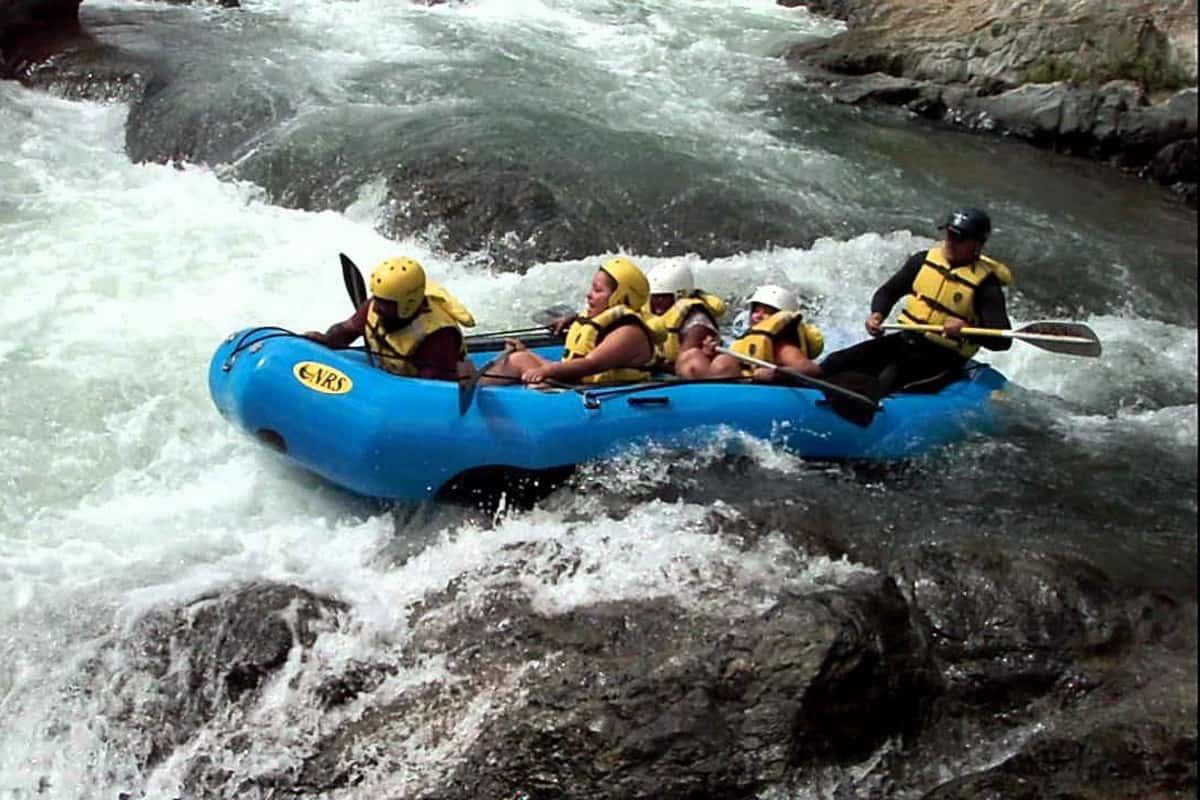
Rafting on the Río Yaque del Norte
Few activities are as closely associated with Jarabacoa as whitewater rafting.
The Río Yaque del Norte originates in the Cordillera Central and flows through the mountain region around Jarabacoa.
On guided rafting tours, you go with helmet, life jacket and paddle over rapids and through rocky river sections.
Before the start, the guides explain the basic commands and behavior in the boat. During the ride, the entire group works together to steer the raft through the individual passages.
It's not just about speed and adrenaline. Between the rapids, the green mountain landscape reveals itself from a perspective that is hardly visible from the road.
For many visitors, rafting is therefore one of the activities that make a stay in Jarabacoa special.
Tubing on the rivers around Jarabacoa
If you like being on the water but don't necessarily want to go through stronger rapids in a raft, tubing is another option.
You sit in a large inflatable tire and let yourself drift over calmer sections of a river.
Which stretches can be used depends on water level, weather and provider.
Tubing is usually less technical than rafting, but also takes you right into the river landscape around Jarabacoa.
Especially with a stay of several days, different water activities can be combined well.
Visit La Confluencia
Only a few minutes from the center is La Confluencia.
Here the Río Yaque del Norte and the Río Jimenoa meet.
The area is a popular meeting point for people from Jarabacoa and shows a less touristy side of the region.
Families come to the water, visitors sit by the river and on weekends it can be much busier than during the week.
La Confluencia is not an attraction for which you need several hours of travel or an organized tour.
That is exactly why the place fits well into a relaxed afternoon.
You can combine the visit with a walk, a meal or another activity in the area.
See Jarabacoa from above while paragliding
If you want to experience the landscape of the Cordillera Central from a completely different perspective, you can book a tandem paragliding flight in Jarabacoa.
From elevated starting points around the valley, you take off with an experienced pilot.
Below you lie green mountains, fields, houses, rivers and the valley of Jarabacoa.
How long and how high you can fly depends heavily on wind and weather.
For this reason, some flexibility should be planned. A cloudy morning does not automatically mean that suitable flying conditions will not arise later in the day.
For travelers who have never tried paragliding, Jarabacoa is one of the most interesting places in the Dominican Republic for it.
Ride through the mountain landscape on horseback
Horses have long been part of rural life in the Cordillera Central.
Various horseback rides are therefore offered around Jarabacoa.
Depending on the provider, the routes lead through fields, small villages, forest areas and to waterfalls.
The Salto de Baiguate is also sometimes combined with horseback riding excursions.
You don't necessarily need years of riding experience. Many tours are aimed at visitors who only ride occasionally or have never been on a horse.
If you have more experience, you should ask before booking how demanding the route actually is.
Stroll through Jarabacoa
With all the mountains and waterfalls, the town center itself is quickly forgotten.
Jarabacoa is not a classic sightseeing town, but a stroll is still worthwhile.
In the center you will find small shops, cafés, restaurants and squares where everyday life takes place.
The town feels much smaller and quieter than Santo Domingo or Santiago.
Especially in the early evening, a walk is pleasant when many people are out and the temperatures drop.
If you stay for several days, you should therefore not fill every moment with an organized outdoor activity.
See the Umbrella Street of Jarabacoa
Jarabacoa now also has a colorful Umbrella Street.
Colorful umbrellas hang over part of the street, making the area a popular photo spot.
Shops, restaurants and cafés are in the vicinity.
The visit does not take long and can be easily combined with a walk through the center.
If you have visited Puerto Plata before, you may already know the concept from the Umbrella Street there. The atmosphere in Jarabacoa is different, however, as the town is much more shaped by mountains and local tourism.
Get to know coffee from the region
The mountains around Jarabacoa offer good conditions for agriculture.
In addition to vegetables, flowers and various fruits, coffee also plays a role.
In and around Jarabacoa you can taste Dominican coffee and sometimes learn more about processing and roasting.
Especially after a morning at the waterfall or a hike, a visit to a local café fits well into the day.
If you continue traveling through the Cordillera Central, you will encounter the topic of coffee even more frequently.
Discover local products and agriculture
A large part of the landscape around Jarabacoa is used agriculturally.
On drives outside the center you see fields, greenhouses and smaller agricultural businesses.
Due to the altitude, products can be grown here that are more difficult to cultivate in the hotter coastal regions.
This landscape is as much a part of Jarabacoa as the waterfalls.
If you drive through the surrounding area by car or on a guided tour, you should therefore not only pay attention to the well-known sights.
The green valleys and agricultural areas are an important part of the character of the region.
Try the Dominican mountain cuisine
Jarabacoa has a surprisingly diverse restaurant scene.
In addition to Dominican classics, you will find cafés, international cuisine and restaurants with views over the mountains.
The cooler climate also changes the feeling of eating.
While fish and light dishes often dominate on the coast, sancocho, meat dishes or other hearty dishes fit much better with the surroundings in Jarabacoa.
Of course you will also find classics like mangú, rice with beans, tostones and various dishes with plantains or yuca.
If you visit local restaurants outside the most touristy areas, you also get a good impression of everyday life in the region.
Hiking around Jarabacoa
Jarabacoa is one of the most important starting points for hikes in the Dominican Republic.
The surroundings range from short paths to waterfalls to multi-day tours through the Cordillera Central.
The vegetation changes noticeably with increasing altitude.
Tropical plants are replaced by mountain forest and later by large stands of the Dominican pine.
Temperatures can also drop sharply with increasing altitude.
If you plan longer hikes, you should therefore not assume that typical Caribbean clothing is sufficient for every tour.
Discover the Parque Nacional Armando Bermúdez
Northwest and west of Jarabacoa begins one of the most important protected mountain regions in the country.
The Parque Nacional Armando Bermúdez encompasses large parts of the Cordillera Central and protects forests, rivers, valleys and some of the highest mountains in the Caribbean.
Large stands of the endemic Pinus occidentalis, the Dominican pine, grow here among others.
Hiking, camping and nature observation are among the most important activities in the park.
Several rivers in the country originate in the high altitudes of this mountain region.
For visitors to Jarabacoa, the national park is particularly interesting because some of the best-known hiking routes in the Dominican Republic are located here.
Visit Manabao
West of Jarabacoa lies Manabao.
The smaller town is deeper in the mountain region and is an important starting point for trips and hikes toward Parque Nacional Armando Bermúdez.
The route there alone is worthwhile.
The road leads along the Río Yaque del Norte through smaller communities and an increasingly mountainous landscape.
Manabao feels much more rural than Jarabacoa and gives an impression of life in the Cordillera Central away from the larger towns.
If you have enough time, you can combine a stay in Jarabacoa with a trip to Manabao.
Set off from La Ciénaga to Pico Duarte
Behind Manabao lies La Ciénaga.
The small town is best known because one of the most popular routes to Pico Duarte begins here.
From La Ciénaga, the trail leads over several stages through Parque Nacional Armando Bermúdez toward the summit.
If you are only looking for a classic day trip, you should not underestimate the scale of this tour.
Climbing Pico Duarte is a multi-day mountain hike and requires planning, appropriate equipment and physical fitness.
Jarabacoa serves as a starting point for many travelers to prepare for the tour.
Climb Pico Duarte
At 3,087 meters, Pico Duarte is the highest mountain in the Caribbean.
The summit is located in the middle of the Cordillera Central between the national parks Armando Bermúdez and José del Carmen Ramírez.
From Jarabacoa, the best-known route leads via Manabao and La Ciénaga toward the mountain.
The tour normally takes several days. Overnight stays are in simple mountain camps along the way.
The climate up there has little in common with the temperatures on the beaches of Punta Cana or Bayahibe.
Especially at night and in the early morning it can get very cold in the high altitudes. Accordingly, warm clothing, good hiking boots and suitable equipment are part of the preparation.
Official guides are provided for the tour. Luggage and provisions are also often transported with mules.
Pico Duarte should therefore not be seen as a spontaneous excursion on the second day of vacation.
If you prepare well, you will experience a landscape that many visitors would not associate with the Dominican Republic.
Experience the sunrise at Pico Duarte
Many tours plan the final ascent so that the summit is reached in the early morning.
In suitable weather conditions, a wide view opens up over the mountain ranges of the Cordillera Central.
Clouds can lie below the summits while the first rays of sun fall on the mountains.
This moment is the highlight of the entire tour for many hikers.
The experience depends heavily on the weather. In the mountains, fog and clouds can build up quickly.
Even without a perfect sunrise, climbing the highest mountain in the Caribbean remains one of the most extraordinary activities that can be planned from Jarabacoa. More info can be found on the official site Dominican Republic Tourism.
Camping in the mountains
If you like sleeping outdoors, you will find several options for multi-day tours around the Cordillera Central.
Camping plays a role especially on hikes in Parque Nacional Armando Bermúdez and on the way to Pico Duarte.
The conditions are much more rustic than in a hotel in Jarabacoa.
For this reason, the equipment should match the route and season.
Before a longer hike, the current rules, weather conditions and regulations of the protected areas should also be checked. In the event of severe weather events, areas can be closed or evacuated at short notice for safety reasons. More on general ambience and travel planning can be found on the official tourism site.
Try mountain biking
Mountains, field paths and side roads also make the region interesting for mountain bikers.
Depending on the route, the terrain ranges from quiet roads through agricultural areas to more demanding paths with clear differences in altitude.
Especially if you don't know the area, you benefit from local route knowledge on longer tours.
Rain can also change unpaved paths within a short time.
Mountain biking offers the opportunity to get to know larger parts of the valley than on a normal hike.
Drive into the surrounding area by quad or buggy
Tours with quad or buggy are also offered around Jarabacoa.
The routes often lead over side roads, field paths and through rural areas outside the center.
Depending on the route, viewpoints, rivers or smaller communities are included.
Before booking, it is worth taking a look at the exact route.
A good tour should not just consist of driving over unpaved roads as fast as possible, but actually showing something of the landscape.
Seek viewpoints over the Jarabacoa valley
Due to the mountainous location, there are various points around Jarabacoa with wide views over the valley.
Especially in the early morning, the landscape can be very impressive when fog hangs between the mountains.
In the late afternoon, lower sun positions in turn create a completely different atmosphere.
If you have a rental car, you can explore several panoramic roads and higher areas.
With unknown side roads, however, it should be taken into account that road quality and weather conditions can vary greatly.
Visit the Reserva Científica Ébano Verde
Southeast of Jarabacoa is the Reserva Científica Ébano Verde, another important protected area of the Cordillera Central.
The region protects mountain and cloud forest as well as numerous plant and animal species.
The area is particularly interesting for hikers, nature lovers and birdwatchers.
From Jarabacoa, a visit can be combined with a drive toward Constanza, depending on the route.
If you stay in the mountain region for several days, you can get to know another landscape that is clearly different from the waterfalls directly around Jarabacoa.
Observe birds in the Cordillera Central
The mountain forests in the center of the Dominican Republic provide habitat for numerous bird species.
If you are out early in the morning and bring some patience, you can find good observation opportunities in protected areas.
You don't necessarily need a classic birdwatching trip for this.
Even on hikes, different sounds and species are often noticeable than in the densely built coastal regions.
If you want to observe birds specifically, however, you benefit from a local guide who knows species and suitable areas.
Take an excursion to Constanza
From Jarabacoa you can also discover the mountain region around Constanza.
Constanza is even higher in the Cordillera Central and is particularly known for its cool climate and agriculture.
Large vegetable fields, greenhouses and mountain landscapes shape the surroundings.
The route between Jarabacoa and Constanza leads through a scenically attractive region, but should be planned with sufficient time.
If you are doing a round trip through the interior, you can combine Jarabacoa and Constanza excellently.
Take a day trip to Santiago
Santiago de los Caballeros is also easily accessible from Jarabacoa.
The second-largest city in the Dominican Republic shows yet another completely different side of the country.
There you will find, among other things, the Monumento a los Héroes de la Restauración, the Centro León, cigar culture and, during the season, baseball.
Jarabacoa and Santiago can therefore be combined well within a round trip.
While Santiago stands for city life and the culture of the Cibao, the mountain world of the Cordillera Central begins in Jarabacoa.
Spend a quiet day in a mountain accommodation
Not every day in Jarabacoa has to be filled with rafting, hiking or waterfalls.
Around the town there are numerous villas, smaller hotels, lodges and accommodations right in the green.
Many visitors come to Jarabacoa precisely because of this tranquility.
A breakfast with a view of the mountains, an afternoon in the garden or an evening at cooler temperatures can be just as attractive after several active days as the next excursion.
Jarabacoa therefore also works well as a short break from the hectic life in Santo Domingo or Santiago.
Jarabacoa shows the mountainous side of the Dominican Republic
If you only think of palms, resorts and beaches when you think of the Dominican Republic, you will be surprised in Jarabacoa.
The Cordillera Central changes landscape, climate and everyday life.
Instead of coconut palms, Dominican pines shape the picture at higher altitudes. Cold river water replaces the warm Caribbean Sea and beach activities become hikes, rafting and paragliding.
Salto de Jimenoa and Salto de Baiguate show the power of the mountain rivers. The Río Yaque del Norte makes Jarabacoa one of the most important adventure destinations in the country. Further west, Manabao and La Ciénaga lead deeper and deeper into the Cordillera Central and finally toward Pico Duarte.
At the same time, a stay does not have to consist of a constant program.
A coffee with a view of the mountains, a quiet afternoon by the river or an evening at surprisingly fresh temperatures are just as much a part of Jarabacoa.
If you want to get to know the interior of the country during a trip through the Dominican Republic, you should therefore plan a few days between the mountains.
Frequently asked questions about activities in Jarabacoa
What to do in Jarabacoa?
If you are wondering what to do in Jarabacoa, for a first visit you should plan at least one waterfall, rafting on the Río Yaque del Norte and an excursion into the mountain landscape.
Salto de Jimenoa and Salto de Baiguate are among the best-known natural destinations. If you want more adventure, you can try rafting, canyoning or paragliding.
For a quieter day, La Confluencia, the center of Jarabacoa and a café with local coffee are good options.
If you like hiking, excursions toward Manabao and Parque Nacional Armando Bermúdez lead deeper into the Cordillera Central.
For more experienced hikers and travelers with several free days, Jarabacoa is also one of the most important starting points for climbing Pico Duarte.
This allows you to design a stay between nature, sport and relaxation depending on your interests. You can find bookable tours at GetYourGuide for Jarabacoa.
What should you definitely see in Jarabacoa?
For a short stay, Salto de Jimenoa, Salto de Baiguate and the mountain landscape around Jarabacoa are among the most important stops.
If you want some action, you should also plan rafting on the Río Yaque del Norte.
La Confluencia is a good uncomplicated stop closer to the town center.
With more time, a drive toward Manabao is worthwhile, as the landscape on the way there already gives a good impression of the Cordillera Central.
What can you do in Jarabacoa in one day?
Jarabacoa can also be visited as a day trip, but a longer stay is much more relaxed.
If you only have one day, you can visit one of the waterfalls in the morning and then plan an activity like rafting or paragliding.
You can spend the late afternoon in the center or at La Confluencia.
If you have a longer drive from Santo Domingo, you should not fill the day with too many individual stops.
The landscape and the clearly different atmosphere compared to the capital alone make the excursion interesting.
What can you do in Jarabacoa without a booked tour?
Several places around Jarabacoa can be visited individually.
The center, La Confluencia and various waterfalls can be reached with your own transport, provided the accesses are open.
Trips to Manabao or through the rural surroundings are also possible with a vehicle.
For rafting, canyoning and paragliding, however, you need a professional provider.
You should also not attempt the multi-day mountain tour to Pico Duarte without the designated guides and appropriate preparation.
What can you do in Jarabacoa in the rain?
Rain is part of a green mountain region.
Short showers do not have to ruin the day. Cafés, restaurants and the center offer opportunities to wait first.
With longer or heavy rainfall, the situation looks different.
Rivers can carry significantly more water and hiking trails become slippery. Rafting, canyoning, waterfall visits and longer hikes should then be coordinated with local providers or the responsible authorities.
In the event of official weather warnings, protected areas can also be temporarily closed.
In the mountains, safety should therefore always be more important than a full itinerary.
Is Jarabacoa suitable for families?
Yes, but the choice of activities depends heavily on the age of the children.
La Confluencia, short walks, certain waterfalls and excursions through the landscape can also work well with families.
For rafting, canyoning or paragliding, age, weight and safety regulations apply depending on the provider.
Longer hikes are also not automatically suitable for every child.
If you are traveling with family, you should therefore plan fewer activities per day and allow enough time for breaks.
How many days should you plan for Jarabacoa?
For a first visit, two to three days are a good basis.
This leaves time for the waterfalls, an adventure activity like rafting or paragliding and a quieter day around Jarabacoa.
With four to five days you can also include Manabao, longer hikes or excursions to other parts of the Cordillera Central.
Climbing Pico Duarte requires additional time and should be planned independently of the normal stay.
If you love nature and mountains, you can easily spend a complete week in the region. The official tourism site Dominican Republic Tourism currently also recommends approximately two to three days for a classic Jarabacoa stay.
When is the best time to visit Jarabacoa?
Jarabacoa can be visited all year round.
Due to the altitude, the climate is milder than in many coastal regions. The official tourism site Dominican Republic Tourism mentions approximately 16 to 25 degrees Celsius as the typical temperature range of the mountain climate.
However, this does not mean that every day looks the same.
Rain influences hiking trails, water levels and outdoor activities. At higher altitudes, temperatures can also be much lower than in the town center.
For longer hikes, you should therefore always take the conditions of the specific route into account.
If you want to climb Pico Duarte, you need a completely different preparation than for a normal stay in Jarabacoa anyway.
Is Jarabacoa colder than Punta Cana or Santo Domingo?
Yes. Jarabacoa is located in the Cordillera Central and therefore has a noticeably milder mountain climate.
Especially in the morning, evening and during rainy periods, the difference from the coast is noticeable.
While in Punta Cana or Santo Domingo you often have to expect tropical warmth even at night, a light jacket can be quite pleasant in Jarabacoa.
In the much higher areas around Pico Duarte, temperatures drop even more significantly.
This change of climate is one of the reasons for many Dominicans to stay in Jarabacoa.
Do you need a rental car in Jarabacoa?
A rental car is not absolutely necessary, but it makes a stay more flexible.
Many natural destinations are outside the center and cannot be reached on foot.
With your own vehicle you can visit waterfalls, Manabao, viewpoints and smaller towns at your own pace.
For organized activities like rafting or paragliding, organizers often offer meeting points or transfers.
If you drive yourself, you should note that roads outside the main axes can be narrower or worse to drive on after heavy rainfall.
Jarabacoa or Constanza: Which is better?
Both towns are in the Cordillera Central but have a different character.
Jarabacoa is more oriented toward outdoor activities and adventure tourism. Rafting, waterfalls, paragliding and access to the Pico Duarte region are the focus here.
Constanza is higher and is particularly known for its agriculture, cooler temperatures and expansive mountain landscapes.
If you are looking for action and different activities, Jarabacoa offers more choice.
If you mainly want to experience mountain landscape, agriculture and tranquility, Constanza can be more interesting.
On a round trip, combining both places is worthwhile.
Is Jarabacoa worth a trip?
Jarabacoa is particularly worthwhile for travelers who want to get to know a different side of the Dominican Republic.
The large all-inclusive resorts and kilometers of Caribbean beaches are missing here.
Instead, there are rivers, waterfalls, pine forests and mountains.
You can raft through rapids in the morning, stand at a waterfall in the afternoon and fly over the valley with a paraglider the next day.
With Parque Nacional Armando Bermúdez and Pico Duarte, the most impressive high mountain landscape in the country also begins right behind the region.
Especially after a few days on the hot coast, Jarabacoa feels almost like a different country.
Discover activities, excursions and experiences in Jarabacoa and plan your personal Dominican Experience.
Bookable Activities:
Jarabacoa River Rafting Adventure with Lunch
More Information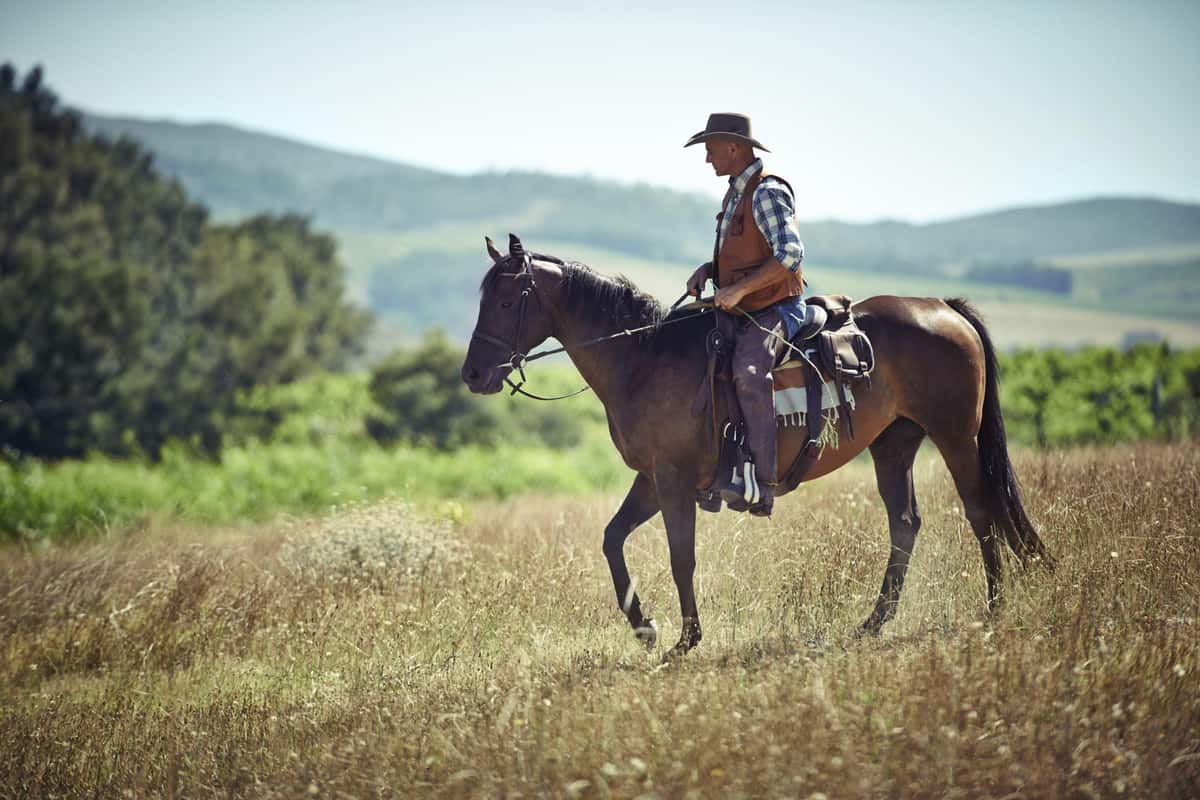
Horseback Riding to Salto Baiguate Waterfall
More Information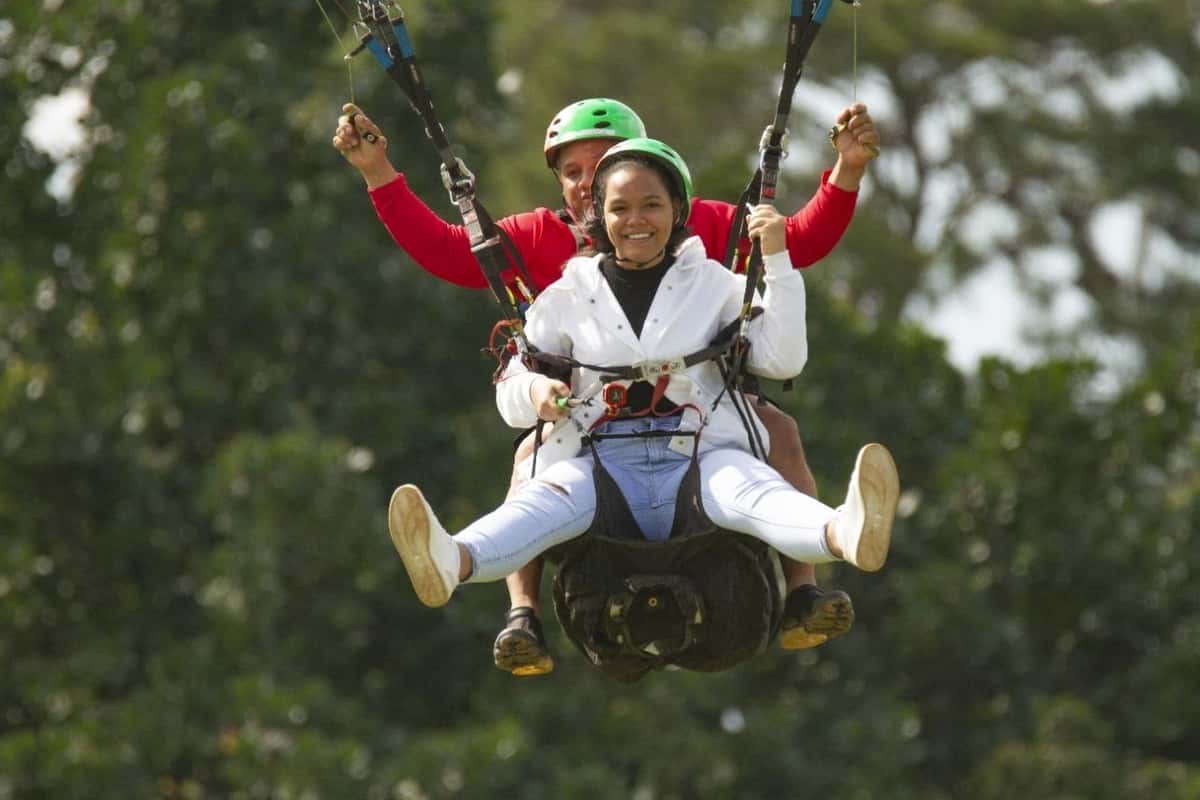
Paragliding Experience with GoPro Video
More Information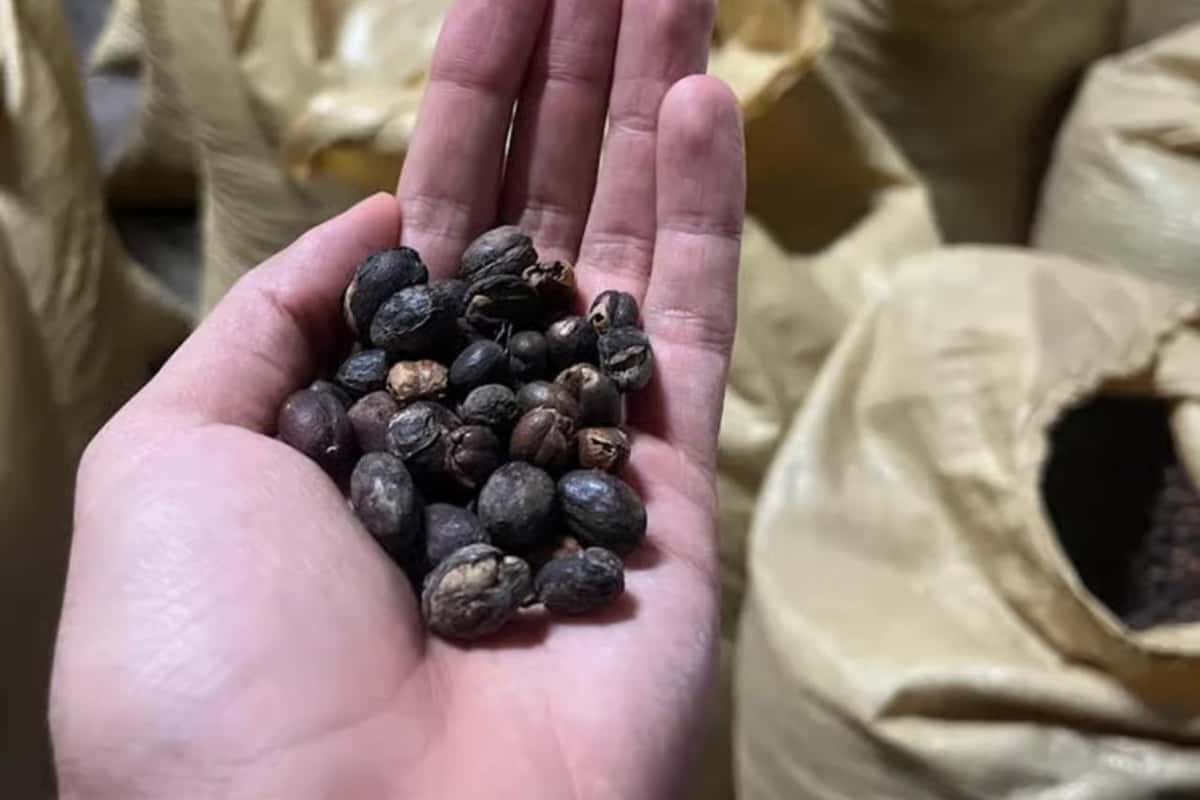
Monte Alto Coffee Tour: Jarabacoa Experience
More InformationReady for your next adventure?
Discover our best deals and promotions for the Dominican Republic.
Explore Deals