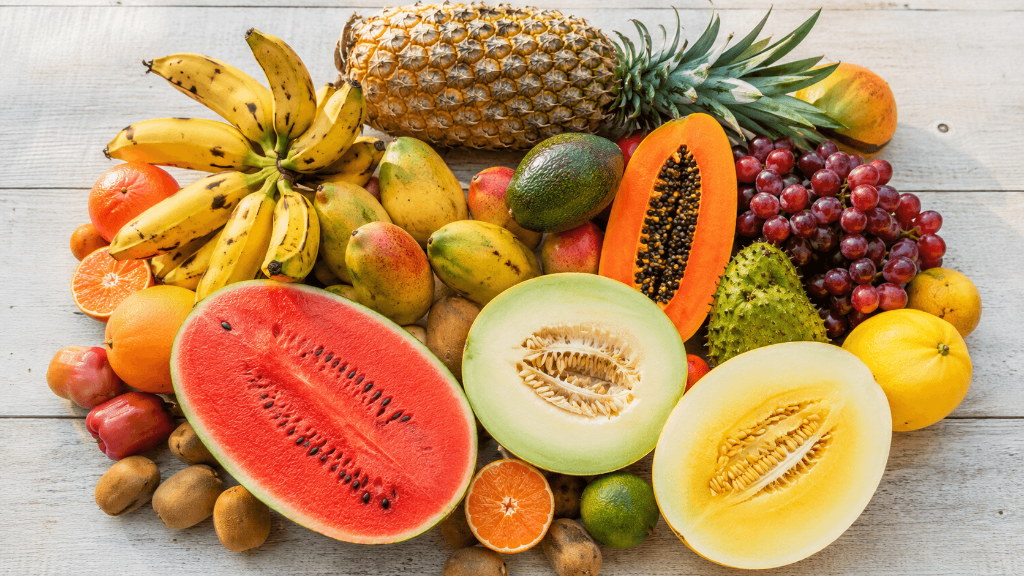
A visit to the Dominican Republic is not only about exploring beautiful landscapes or relaxing by the sea—it's also an opportunity to discover an incredible variety of fresh tropical fruits. Whether you're strolling through a local farmers' market, stopping at a roadside fruit stand, or enjoying breakfast at a hotel, you'll quickly notice that fruit is an important part of everyday Dominican life.
Thanks to the country's tropical climate, fertile valleys, and mountainous regions, dozens of different fruits grow throughout the year. Some are famous around the world, while others are local favorites that many international visitors try for the first time during their trip.
In this guide, you'll discover the most popular tropical fruits in the Dominican Republic, when they're in season, how they taste, and where you can find them.
Why the Dominican Republic Is Perfect for Growing Tropical Fruits
The Dominican Republic enjoys warm temperatures throughout the year, making it one of the best places in the Caribbean to grow tropical fruit. Different regions produce different varieties, from the fertile Cibao Valley to the lush mountains around Jarabacoa and the tropical coastline near Barahona and Samaná.
One of the biggest advantages of eating fruit locally is freshness. Most fruits are harvested close to their peak ripeness instead of being picked early for long-distance shipping. This means they are naturally sweeter, juicier, and more flavorful than many imported fruits found in supermarkets overseas.
Many Dominican families buy fresh fruit several times a week, and it's common to enjoy fruit as breakfast, dessert, or a refreshing afternoon snack.
1. Mango
The Dominican Republic is famous for its delicious mangoes and even hosts an annual mango festival in Baní, one of the country's best-known mango-growing regions. Dominican mangoes come in many varieties, each with its own flavor and texture. Some are incredibly sweet, while others have a slight tropical acidity.
Popular varieties:
- Mingolo
- Banilejo
- Keitt
- Tommy Atkins
Mangoes are often eaten fresh, blended into smoothies, or added to fresh fruit salads.
2. Pineapple (Piña)
Dominican pineapples are known for being exceptionally sweet and aromatic. They are widely available across the country and are commonly served fresh or as juice. Unlike many exported pineapples, locally grown fruit develops its full natural sweetness before being harvested.
Perfect for:
- Fresh fruit plates
- Smoothies
- Cocktails
- Desserts
3. Papaya (Lechosa)
Known locally as Lechosa, papaya is one of the healthiest fruits available in the Dominican Republic. Rich in vitamins A and C, papaya also contains natural enzymes that support digestion. Its soft texture makes it popular for breakfast or blended into tropical juices.
4. Passion Fruit (Chinola)
One of the country's most iconic fruits is Chinola, known internationally as passion fruit. Its aromatic pulp is used in fresh juices, desserts, cocktails, ice cream, and homemade sauces. While the fruit has a tart flavor on its own, it becomes wonderfully refreshing when mixed with a little sugar or honey.
Don't leave the Dominican Republic without trying fresh Chinola juice.
5. Guava (Guayaba)
Guava has a unique tropical aroma that many Dominicans love. The fruit is rich in vitamin C and antioxidants and is commonly eaten fresh or turned into jams, juices, and traditional sweets.
6. Soursop (Guanábana)
Guanábana is one of the most interesting tropical fruits you'll find. Its white flesh is creamy and slightly fibrous, combining flavors that many people compare to pineapple, strawberry, banana, and coconut. It is especially popular in smoothies and milkshakes.
7. Coconut (Coco)
Fresh coconuts are available almost everywhere, particularly in beach towns and coastal villages. Many vendors simply cut open a green coconut so visitors can drink the refreshing coconut water before enjoying the soft coconut meat inside. It's one of the most refreshing drinks on a hot Caribbean day.
8. Banana (Guineo) & Plantain (Plátano)
Although they look similar, bananas and plantains serve different purposes. Bananas are typically eaten fresh, while plantains are cooked and used in many traditional Dominican dishes.
Traditional dishes with plantain:
- Mangú
- Tostones
- Mofongo
- Fried ripe plantains
9. Avocado (Aguacate)
Although technically a fruit, avocado deserves a place on every list. Dominican avocados are often much larger than those sold in Europe or North America. They're commonly served alongside rice dishes, salads, or simply seasoned with salt and lime.
10. Tamarind (Tamarindo)
Tamarind has a sweet and sour flavor unlike almost any other fruit. Its pulp is commonly used in juices, candies, sauces, and refreshing drinks. Many visitors discover tamarind for the first time while exploring local markets.
11. Starfruit (Carambola)
Carambola is easy to recognize because its slices naturally form the shape of a star. Its crisp texture and refreshing taste make it a favorite ingredient for fruit salads and tropical drinks.
12. Sugar Apple (Anón)
Anón has soft white flesh divided into creamy segments filled with black seeds. Its flavor is extremely sweet and resembles vanilla custard. Although less common among tourists, it's highly appreciated by locals.
Where to Buy Tropical Fruits in the Dominican Republic
Fresh fruit can be found almost everywhere across the country. If possible, visit a traditional Dominican market early in the morning, when the freshest produce arrives.
- Local farmers' markets
- Roadside fruit stands
- Supermarkets
- Neighborhood fruit shops
- Beach vendors
- Small rural villages
Health Benefits of Dominican Tropical Fruits
Besides their incredible flavor, tropical fruits are packed with essential nutrients. They help support hydration, digestion, immune function, and overall health, making them a perfect snack during warm Caribbean days.
- Vitamin C
- Vitamin A
- Potassium
- Fiber
- Antioxidants
- Magnesium
Tips for Trying Tropical Fruits During Your Vacation
- Visit local markets instead of only buying fruit at resorts.
- Ask vendors which fruits are currently in season.
- Try freshly squeezed juices made without artificial syrups.
- Don't hesitate to taste fruits you've never seen before.
- Wash fresh fruit before eating if it isn't peeled.
Final Thoughts
Trying tropical fruits is one of the easiest ways to experience authentic Dominican culture. Every region of the country offers its own specialties, and every season brings new flavors to discover. Whether you enjoy the sweetness of mangoes, the refreshing taste of coconut water, or the unique flavor of chinola, fresh fruit is an essential part of every trip to the Dominican Republic.
Frequently Asked Questions (FAQ)
What is the most popular tropical fruit in the Dominican Republic?
Mango is one of the country's most popular fruits. During mango season, you'll find dozens of varieties in markets across the Dominican Republic.
What fruit is called Chinola?
Chinola is the Dominican Spanish name for passion fruit.
When is mango season in the Dominican Republic?
The main mango season usually runs from March to August, although exact timing can vary depending on the region and weather conditions.
Can tourists safely eat fresh fruit in the Dominican Republic?
Yes. Fresh fruit sold in supermarkets, hotels, restaurants, and reputable markets is generally safe to eat. As with any destination, it's recommended to wash fruit before eating it if it hasn't been peeled.
What tropical fruit should I try first?
If you're visiting for the first time, don't miss mango, chinola (passion fruit), guanábana (soursop), fresh coconut, and Dominican pineapple.
Where can I buy fresh tropical fruits?
You'll find fresh fruit at supermarkets, farmers' markets, roadside stands, neighborhood fruit shops, and many beach vendors throughout the country.
Are tropical fruits available all year round?
Many fruits, including papaya, pineapple, bananas, and coconuts, are available year-round. Others, such as mangoes and guavas, have specific seasons.
Which Dominican fruit is best for making fresh juice?
Chinola (passion fruit), pineapple, papaya, guava, tamarind, and soursop are among the most popular fruits used for fresh juices in the Dominican Republic.