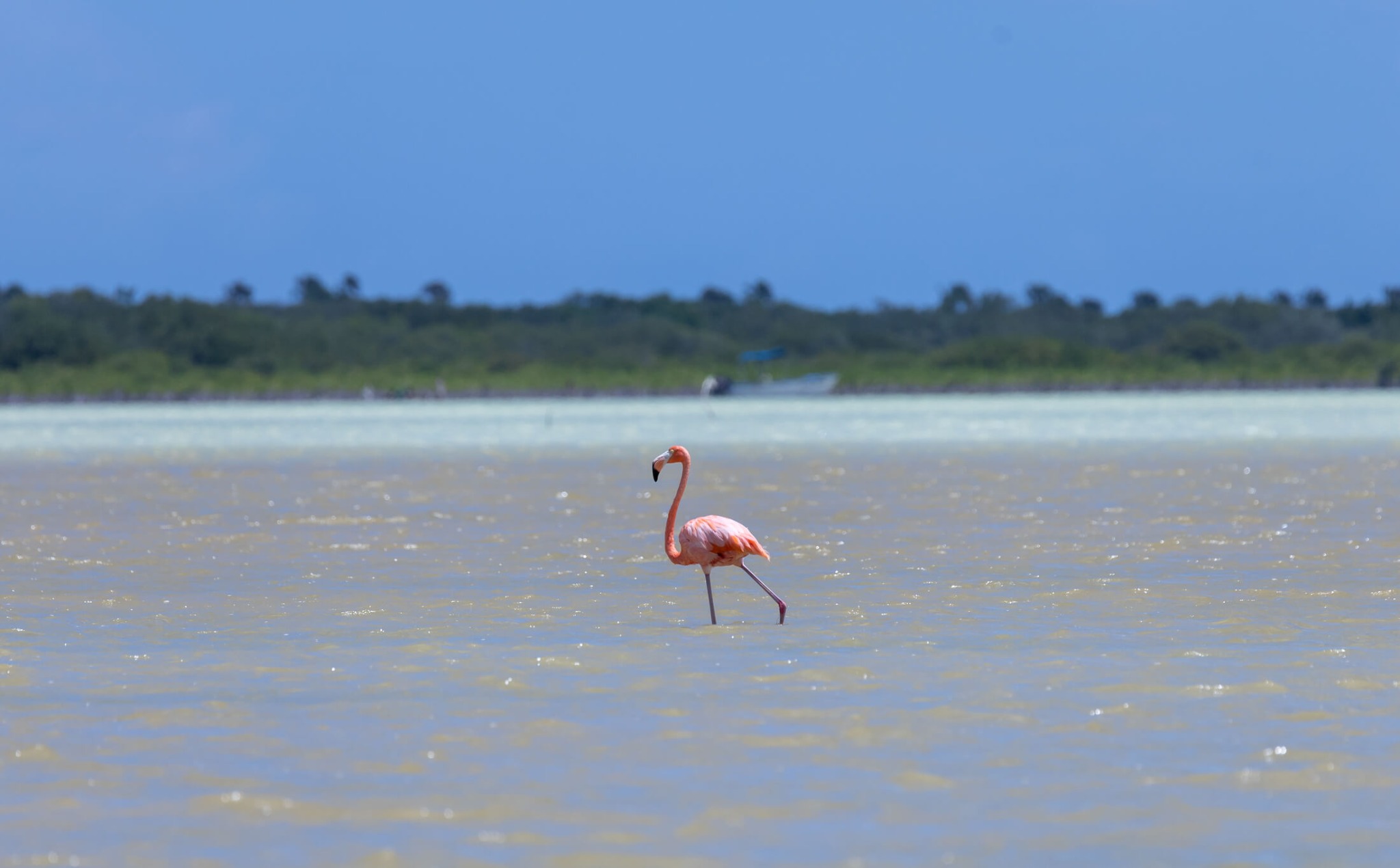
Some of the most surprising places to visit in the Dominican Republic include the sand dunes of Baní, the pine forests of Valle Nuevo and the limestone islets of Los Haitises National Park. Across the country, you can also explore underground caves, watch flamingos, walk through historic streets and discover the modern skyline of Santo Domingo.
These places stretch from the central mountains to the northwestern and southwestern coasts. Exploring them means choosing a few regions and giving each enough time. Together, they reveal how much the landscape, atmosphere and travel experience can change within the same country.
1. Baní Sand Dunes: Coastal Dunes on the Las Calderas Peninsula
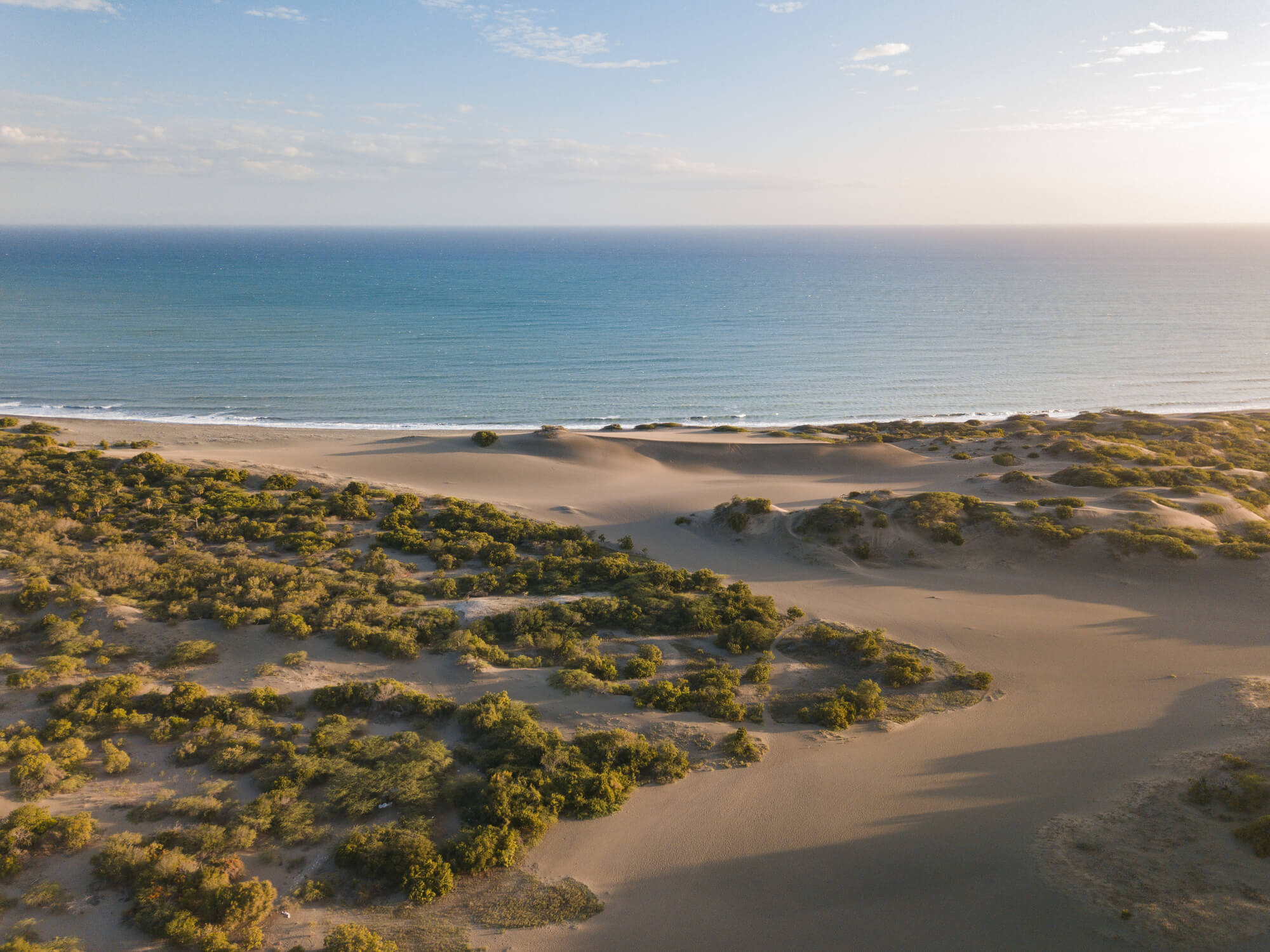
The Baní Sand Dunes, locally known as Dunas de Baní or Dunas de las Calderas, lie on the Las Calderas Peninsula in Peravia province, on the Dominican Republic's southern coast.
Wind-shaped sand, vegetation adapted to dry conditions and views towards the sea give this protected area its distinctive appearance. The dunes create a desert-like landscape within a coastal environment, making them an especially interesting stop for landscape photography.
Visit with time to walk slowly and notice the smaller details: the patterns in the sand, the changing shape of the ridges and the plants growing between them. Earlier or later daylight can bring out the contours in photographs. Carry water and sun protection, and follow the visitor routes indicated locally.
2. Valle Nuevo National Park: Pine Forests in the Central Highlands
Valle Nuevo National Park, reached from the Constanza area, introduces a much cooler mountain environment. In the Cordillera Central, the scenery includes pine forests, highland grasslands and cloud forest.
The road into the park climbs to a plateau above 2,200 metres. At these elevations, temperatures can feel dramatically different from those on the coast. Frost and occasional ice can occur during cold winter conditions, so warm layers belong in your luggage.
Valle Nuevo suits travellers interested in hiking, birdwatching and mountain scenery. Consider spending time in Constanza as part of the trip, and check the approach road and transport arrangements locally before setting out.
3. Piantini: The Modern Skyline of Santo Domingo
Piantini is a neighbourhood in Santo Domingo's National District where towers, hotels, restaurants and commercial buildings form part of the capital's modern skyline.
The area offers an introduction to contemporary city life. A visit might revolve around lunch, shopping or an evening at a hotel bar. Nearby Naco adds further dining and nightlife options, while avenues such as Winston Churchill and Gustavo Mejía Ricart help orient you within this part of the city.
For skyline photography, look for an accessible rooftop venue with a clear view and confirm its entry arrangements. Allow time for transport between neighbourhoods when planning your day. Pairing Piantini with the Colonial Zone gives you two distinct perspectives on the same capital.
4. El Limón Waterfall: A Forest Walk in Samaná
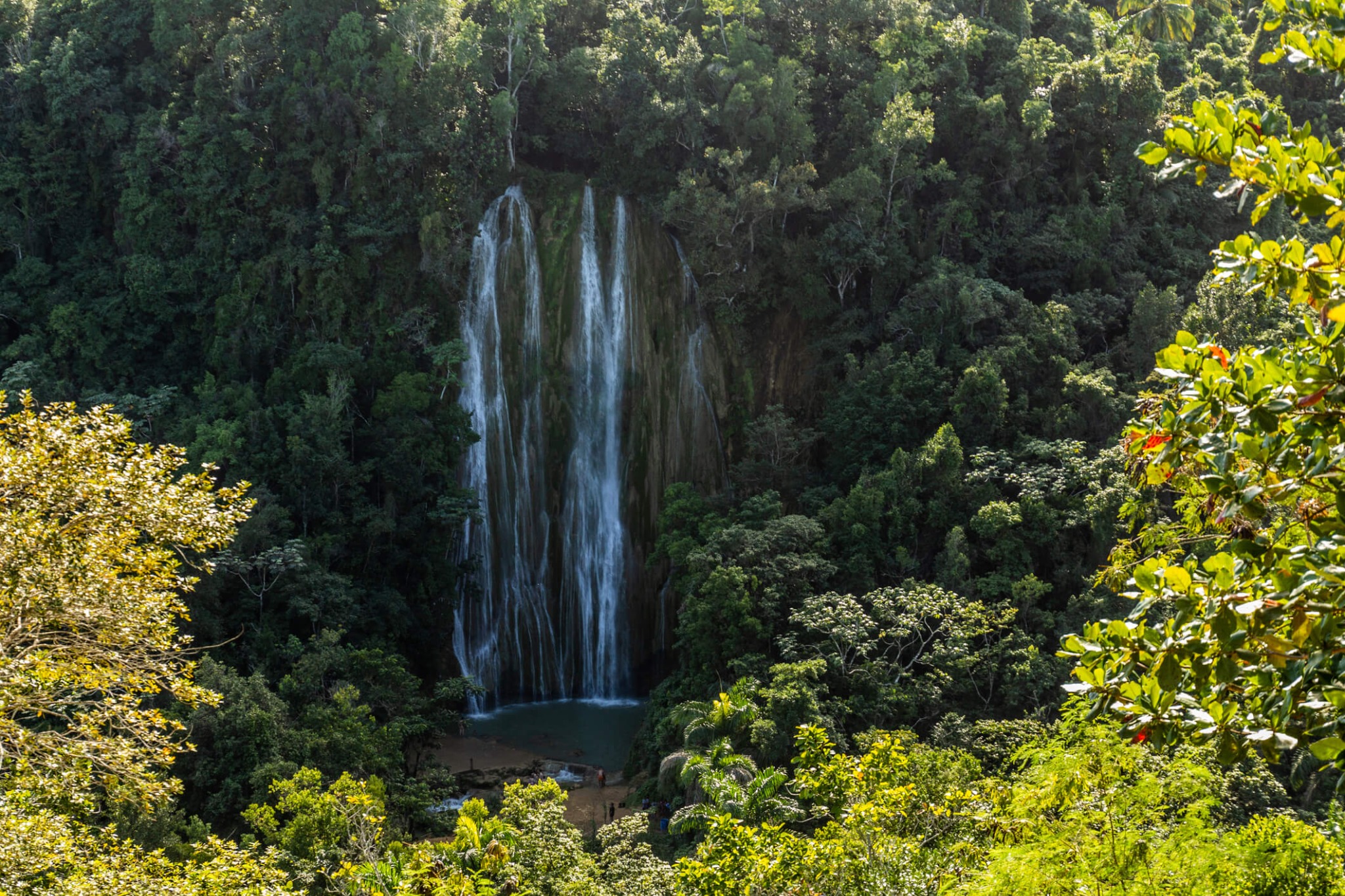
El Limón Waterfall, or Salto El Limón, is located on the Samaná Peninsula in the northeast of the Dominican Republic.
The approach passes through hilly, forested terrain before reaching a waterfall that drops into a freshwater pool. The walk is part of the attraction, with tropical vegetation and opportunities to notice birds along the way.
Wear footwear with grip and ask locally about trail conditions, particularly after rain. A local guide can help you choose an appropriate route and understand the surroundings. Leave enough time to enjoy the setting without rushing straight back.
El Limón fits naturally into a stay on the Samaná Peninsula, with time for its beaches, communities and other outdoor activities on separate days.
5. Los Haitises National Park: Mangroves and Limestone Islets
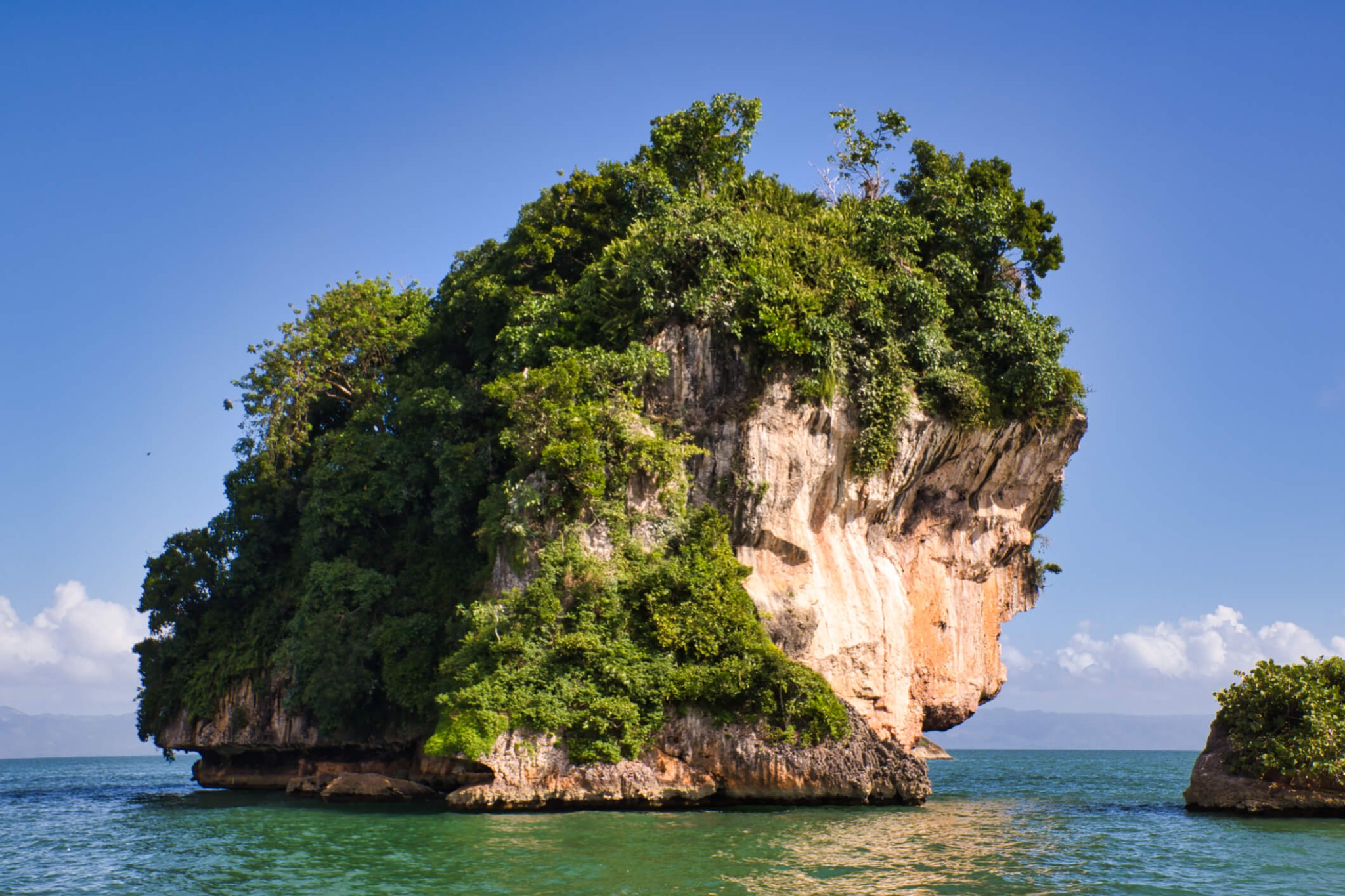
Los Haitises National Park lies in the northeast of the country, around the southern side of Samaná Bay. Vegetation-covered limestone formations rise from the water, while mangroves, forest and caves support a varied natural environment.
A boat excursion provides a close view of the coastal formations and birdlife. Some itineraries also include caves with Taíno rock art. Tours depart from locations including Samaná and the Sabana de la Mar area, so check the departure point carefully when booking.
Choose an excursion according to what you want to experience. A trip focused on mangroves and wildlife may differ from one built around several sightseeing stops. Confirm the route, time on the water and included visits with the operator.
6. Zona Colonial: Santo Domingo's Historic Centre
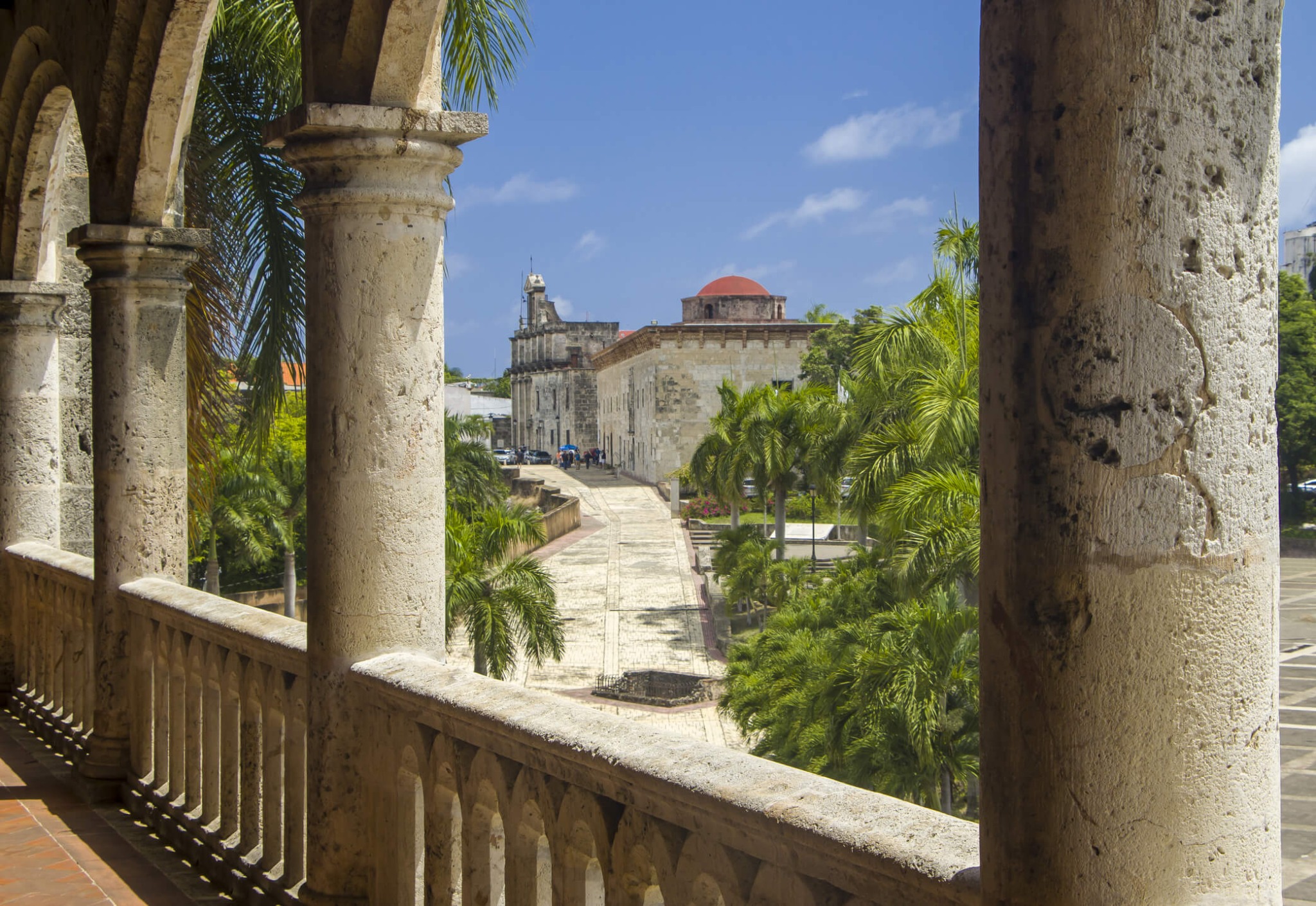
The Zona Colonial, also called the Colonial Zone or Colonial City of Santo Domingo, occupies the historic heart of the Dominican capital near the mouth of the Ozama River. It became a UNESCO World Heritage Site in 1990.
Its streets preserve an important record of Spanish colonial urban development. Historic churches, stone façades, squares and fortifications sit within a neighbourhood that remains part of daily city life.
Exploring on foot gives you time to notice architectural details and pause at cafés, museums and public spaces. A guided walk can also add context about colonial power and the Indigenous and African histories connected to the city.
Allow time beyond the main photo stops. Our Santo Domingo travel guide introduces more of the capital's attractions and neighbourhoods.
7. Cueva de las Maravillas: Taíno Rock Art Underground
Cueva de las Maravillas, commonly translated as the Cave of Wonders, is in San Pedro de Macorís province, between the cities of San Pedro de Macorís and La Romana.
Inside, stalactites, stalagmites and Taíno rock art make the visit both geological and cultural. The cave contains painted and carved images that provide a connection to the island's Indigenous past.
An established visitor route, lighting and walkways help visitors explore the interior. Follow the guide's instructions to protect the formations and artwork, and check the current arrangements if anyone in your group needs step-free access.
The location makes the cave a practical option to consider when travelling along the southeastern coast. Keep its Spanish name handy when checking maps or arranging transport.
8. Laguna de Oviedo: Flamingos in the Southwest
Laguna de Oviedo is a saltwater lagoon in Jaragua National Park, in Pedernales province in the Dominican Republic's southwest.
Mangroves, small islands and shallow water create habitat for numerous birds, including American flamingos, herons, pelicans and roseate spoonbills. It is a rewarding place to explore with a local guide, particularly for travellers interested in birdwatching.
Early morning is a sensible time to visit because of the heat. Bring binoculars if you have them and ask about recent sightings when arranging an excursion. Flamingos are wild birds, so their presence and viewing distance vary.
Oviedo can be included in a longer stay in the Pedernales region alongside Bahía de las Águilas, with separate time set aside for each experience.
9. El Morro: Monte Cristi's Coastal Landmark
El Morro is a prominent limestone outcrop near Monte Cristi in the far northwest of the Dominican Republic. Its distinctive profile rises above a coastline shaped by dry vegetation, mangroves and lagoons.
The surrounding scenery makes this area especially interesting for travellers who enjoy coastal landscapes and photography. Boat excursions through the nearby waterways offer another way to experience the mangroves and observe birdlife.
Use Monte Cristi as a base for exploring the area and ask locally which routes and excursions suit your interests. A wider photograph showing El Morro together with the coastline captures the relationship between the landmark and its setting.
10. Bahía de las Águilas: Turquoise Water in Pedernales
Bahía de las Águilas is a protected beach in the Pedernales region of the southwest, within Jaragua National Park. Pale sand, clear turquoise water and a rocky coastal backdrop define its scenery.
A common approach is by boat from the Cabo Rojo area. Confirm the exact departure point, return arrangements and current conditions with a local operator before travelling.
Bring drinking water and sun protection, and arrange food and other essentials in advance. The beach has limited shade, so plan your time there accordingly.
Combine the visit with a stay in the southwest to give the journey and surrounding attractions enough attention. Alongside Laguna de Oviedo, it shows how different two experiences within the same region can be.
How to Plan a Trip Around These Places
Start by grouping destinations geographically. In Santo Domingo, the Colonial Zone and Piantini can form part of the same city stay. Cueva de las Maravillas is a separate option for a journey east towards San Pedro de Macorís and La Romana.
For a northeastern trip, base yourself on the Samaná Peninsula and arrange El Limón and Los Haitises on separate days. Check where your Los Haitises excursion departs, as the park has several access points.
In the southwest, give the Pedernales region time for both Laguna de Oviedo and Bahía de las Águilas. Baní can become an additional stop on a longer journey along the south. Valle Nuevo requires a mountain detour through the Constanza area, while Monte Cristi belongs to a northwestern itinerary.
For a first visit, choose a city stay and one or two regions. Trying to cover all ten places in a short holiday would leave substantial time on the road. Check actual driving routes, opening arrangements and excursion availability before booking accommodation. Our Dominican Republic weather forecast can help you compare conditions in the regions you plan to visit.
Questions About Visiting These Dominican Republic Destinations
Where can you see sand dunes in the Dominican Republic?
The Baní Sand Dunes are on the Las Calderas Peninsula in Peravia province, on the southern coast. Also known as Dunas de Baní or Dunas de las Calderas, they form a protected coastal landscape with sand ridges and vegetation adapted to dry conditions.
Does the Dominican Republic have cold mountain areas?
Yes. Valle Nuevo National Park, approached from Constanza in the Cordillera Central, has high-altitude forests and grasslands. Temperatures are cooler than on the coast, and cold winter conditions can bring frost or occasional ice.
Where can you see flamingos in the Dominican Republic?
Laguna de Oviedo in Jaragua National Park, Pedernales province, is a place to look for American flamingos. Arrange a guided visit and ask about recent sightings. Wildlife viewing depends on where the birds are at the time of your excursion.
Which places can you combine during a stay in Santo Domingo?
Piantini and the Colonial Zone are both in Santo Domingo and can be explored during the same city stay. Baní and Cueva de las Maravillas are outside the capital, in different directions, and need separate transport planning.